
Rosemary is a fragrant herb known for its needle-like leaves, distinctive aroma, and long history in culinary, botanical, and personal-care traditions. Beyond its use in cooking, rosemary is also found in skincare products such as facial oils, handmade soaps, cleansers, face packs, and botanical formulations.
Rosemary is valued in cosmetics for its naturally occurring plant compounds and aromatic character. Depending on the form used, it can add botanical properties and a refreshing element to a skincare routine.
However, rosemary oil, rosemary extract, rosemary leaves, and rosemary-infused oil are different ingredients. Their properties, concentration, and suitability for the skin depend on how they are prepared and formulated.
In this guide, we’ll explore the benefits of rosemary for skin, how rosemary oil is used in skincare, what to know about different ingredient forms, and how to choose rosemary-based products thoughtfully.
What Is Rosemary?
Rosemary (Salvia rosmarinus) is an aromatic herb in the Lamiaceae family. It is commonly grown in gardens and used in cooking, herbal preparations, fragrances, and personal-care products.
Rosemary contains naturally occurring plant compounds, including rosmarinic acid and other constituents that have been studied for antioxidant properties.
In skincare, rosemary may appear as:
- Dried rosemary leaves
- Rosemary powder
- Rosemary extract
- Rosemary-infused oil
- Rosemary essential oil
- Rosemary hydrosol or water-based preparations
Each form has different characteristics. The ingredient name alone does not tell you how it will perform in a finished skincare product.
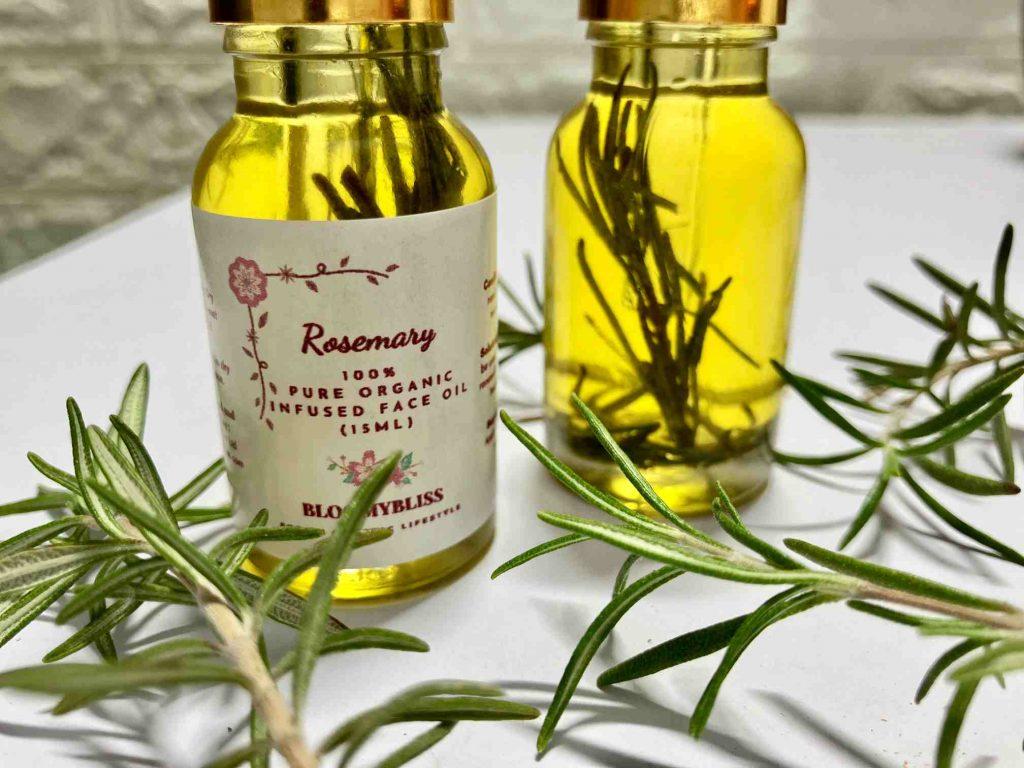
Rosemary Benefits for Skin
1. Provides Antioxidant Botanical Care
Rosemary contains naturally occurring plant compounds that have been studied for antioxidant activity.
Antioxidants are commonly used in cosmetic formulations to help support the skin against everyday environmental stress. The effect of rosemary depends on the ingredient form, concentration, stability, and complete product formula.
This makes rosemary an interesting botanical ingredient for skincare focused on maintaining healthy-looking skin.
2. Adds a Fresh and Aromatic Skincare Experience
Rosemary is known for its distinctive herbal fragrance.
When used in an appropriately formulated product, it can add a fresh and aromatic element to bathing, cleansing, or personal-care routines.
The scent and skin feel depend on whether the product contains rosemary leaves, extract, infused oil, essential oil, or added fragrance.
3. Supports a Nature-Inspired Skincare Routine
Rosemary is a popular ingredient in botanical skincare because of its connection to herbs and traditional plant-based preparations.
It can be incorporated into handmade soaps, face packs, oils, and cleansers designed for everyday personal care.
Rosemary itself should not be viewed as a complete skincare treatment. The complete formulation and your individual skin needs remain important.
4. Can Be Used in Products for Oily-Feeling Skin
Rosemary is sometimes included in formulations intended for oily-feeling skin.
However, rosemary does not automatically balance oil production or prevent breakouts. A product’s suitability depends on its complete ingredient list, texture, cleansing strength, and how your skin responds to it.
If you have oily skin, avoid over-cleansing or using highly concentrated essential oils directly on your face.
5. Contributes Botanical Character to Handmade Products
Rosemary can add a distinctive herbal identity to handmade skincare.
In soaps, masks, and oils, it may be used to create a botanical product experience that combines plant-based ingredients with a simple everyday skincare ritual.
The benefits and skin feel depend on the other ingredients used alongside rosemary.
Rosemary Oil for Skin
The phrase “rosemary oil” can refer to different types of products. Understanding the difference is important before using it on your skin.
Rosemary Essential Oil
Rosemary essential oil is a concentrated aromatic ingredient obtained from rosemary plant material.
Essential oils are not the same as carrier oils. They should not generally be applied directly to the skin without suitable dilution and formulation.
Undiluted essential oil may cause irritation, allergic contact dermatitis, or sensitisation in some people.
Rosemary-Infused Oil
A rosemary-infused oil is made by infusing rosemary plant material into a carrier oil.
The final properties depend on the type of carrier oil, plant material, infusion method, and preparation process.
A rosemary-infused oil is different from rosemary essential oil and should not be treated as an equivalent ingredient.
Rosemary Extract
Rosemary extract is produced using a specific extraction process. It may be included in cosmetic formulations for its botanical constituents or as part of a product’s antioxidant system.
The function of an extract depends on how it was prepared and how it is used in the formula.
Is Rosemary Good for Sensitive Skin?
Rosemary is not automatically suitable for sensitive skin.
Rosemary essential oil, fragrance ingredients, concentrated extracts, and other botanical ingredients may cause irritation or sensitivity in some people.
If you have sensitive skin:
- Check the complete ingredient list.
- Avoid ingredients that have previously caused a reaction.
- Patch test a new product before regular use.
- Avoid applying undiluted essential oils.
- Stop using the product if you experience burning, itching, redness, or discomfort.
If you experience persistent irritation or a recurring skin concern, consult a qualified dermatologist.
Rosemary for Oily or Blemish-Prone Skin
Rosemary is often promoted online for oily skin and acne-related concerns. Some rosemary constituents have been studied for antimicrobial or other biological activity, but laboratory findings do not establish that a rosemary skincare product will treat acne.
A rosemary soap or cleanser may be part of a regular cleansing routine, but it should not be marketed as a guaranteed acne treatment or as a way to prevent future breakouts.
For persistent, painful, or severe acne, professional dermatological guidance is recommended.
Can Rosemary Help with Dark Spots or Uneven Skin Tone?
Rosemary is sometimes promoted for pigmentation, dark spots, and uneven skin tone.
However, there is not enough evidence to promise that rosemary oil or rosemary soap will remove dark spots, repair pigmentation, or produce a more even skin tone.
If pigmentation is a concern, choose a skincare routine based on your skin needs and consider consulting a dermatologist for targeted advice.
Daily broad-spectrum sunscreen is an important part of protecting skin from further sun-related pigmentation.
Rosemary in Handmade Soap
Rosemary can be used in handmade soap as a botanical ingredient with a distinctive herbal identity.
Depending on the formulation, rosemary soap may offer:
- Everyday cleansing
- A fresh herbal bathing experience
- Botanical character
- A simple nature-inspired skincare ritual
- A combination of rosemary with skin-conditioning ingredients
The final cleansing experience depends on the oils, butters, fragrances, botanicals, and other ingredients used in the soap.
Because handmade soap is a rinse-off product, its effects differ from those of a leave-on serum, cream, or facial oil.
Rosemary soap should not be described as a treatment for acne, eczema, psoriasis, wounds, or other medical conditions.
Rosemary for Hair and Scalp
Rosemary is also widely used in haircare products, including scalp oils, shampoos, conditioners, and botanical hair treatments.
Research has examined rosemary preparations in relation to hair growth, but results depend on the preparation, study design, and specific use. It is not appropriate to guarantee that rosemary oil will stop hair loss, repair split ends, or treat dandruff.
Rosemary essential oil should not be applied directly to the scalp without appropriate dilution and product guidance.
If you experience persistent hair loss, scalp inflammation, or severe dandruff, consult a qualified healthcare professional.
Rosemary and Skin Hydration
Rosemary itself is not a moisturiser.
A rosemary skincare product may contain moisturising ingredients such as:
- Glycerin
- Plant oils
- Shea butter
- Cocoa butter
- Aloe vera
- Other humectants or emollients
These ingredients influence the product’s ability to support skin moisture and comfort.
When choosing a rosemary facial oil or cream, look at the complete formulation rather than assuming that rosemary alone provides deep hydration.
How to Use Rosemary Skincare
The appropriate method depends on the product type.
Rosemary Handmade Soap
- Wet your skin with water.
- Create a gentle lather.
- Apply without excessive rubbing.
- Rinse thoroughly.
- Store the soap in a dry, well-drained soap dish.
Rosemary Face Pack
Follow the product’s instructions carefully.
Avoid the eye area and do not leave the product on longer than recommended. If you are using a homemade preparation, check the safety and suitability of every ingredient.
Rosemary Oil
First identify whether the product contains rosemary essential oil, rosemary-infused oil, or a formulated cosmetic oil.
Do not apply rosemary essential oil directly to the skin. Use only an appropriately diluted and formulated product according to its instructions.
How to Choose Rosemary Skincare
Before purchasing rosemary skincare, check:
- The botanical name
- The form of rosemary used
- Whether it contains essential oil or infused oil
- The complete ingredient list
- Fragrance ingredients
- Whether the product is rinse-off or leave-on
- Instructions for use
- Patch-testing guidance
- Storage and shelf-life information
The word “natural” does not automatically mean that a product is suitable for every person.
The complete formulation matters more than the name of one botanical ingredient.
Rosemary and BloomyBliss
At BloomyBliss, we believe botanical skincare begins with understanding the ingredients we use.
Rosemary connects naturally with our interest in herbs, flowers, and nature-inspired personal care. Its aromatic character and botanical identity make it an interesting ingredient for handmade skincare products.
Our approach is to value nature without making exaggerated promises. We believe customers should be able to understand what an ingredient is, how it is processed, and what a finished product is designed to do.
This is part of our nature-first approach to skincare: thoughtful ingredients, clear descriptions, and responsible product communication.
Frequently Asked Questions About Rosemary for Skin
1. What are the benefits of rosemary for skin?
Rosemary is valued for its aromatic character and naturally occurring plant compounds with antioxidant properties. Depending on the formulation, it may contribute to a fresh, botanical skincare experience.
2. Is rosemary good for oily skin?
Rosemary may be included in products formulated for oily-feeling skin. However, rosemary alone does not guarantee oil control or acne prevention. The complete formulation and your skin’s response are important.
3. Is rosemary suitable for sensitive skin?
Rosemary is not suitable for everyone with sensitive skin. Essential oils, fragrances, and concentrated botanical ingredients can cause irritation or sensitivity. Patch test new products and check the ingredient list.
4. Can rosemary oil help with acne?
Rosemary should not be considered an acne treatment or cure. Some rosemary constituents have been studied for biological activity, but this does not establish that rosemary oil will treat or prevent acne.
5. Can rosemary remove dark spots?
There is not enough evidence to promise that rosemary oil or rosemary soap removes dark spots or pigmentation. For persistent pigmentation concerns, consult a dermatologist.
6. Can I apply rosemary essential oil directly to my face?
No. Rosemary essential oil is concentrated and should not generally be applied directly to facial skin. Use a properly diluted and formulated product according to its instructions.
7. What is the difference between rosemary essential oil and rosemary-infused oil?
Rosemary essential oil is a concentrated aromatic ingredient. Rosemary-infused oil is a carrier oil infused with rosemary plant material. They are different products and should not be used interchangeably.
8. What are the benefits of rosemary in handmade soap?
Rosemary can add botanical character and a fresh herbal bathing experience to handmade soap. The final skin feel depends on the complete soap formulation.
9. Can rosemary soap be used every day?
Suitability depends on the complete formula and your skin’s response. Follow the product instructions and stop use if you experience dryness, irritation, or discomfort.
10. Is rosemary good for hair growth?
Rosemary is used in various haircare products, and some preparations have been studied for hair growth. However, results cannot be guaranteed for every person or product. Persistent hair loss should be evaluated by a qualified professional.
11. Can rosemary replace moisturiser?
No. Rosemary is a botanical ingredient, not a complete moisturising product. Choose a moisturiser with suitable humectants, emollients, or occlusive ingredients according to your skin’s needs.
12. Can rosemary replace sunscreen?
No. Rosemary skincare does not replace sunscreen. Use broad-spectrum sunscreen and appropriate sun protection during daytime exposure.
13. How often should I use rosemary skincare?
Follow the instructions for the specific product. Introduce new products gradually, especially if your skin is sensitive or the product contains essential oils.
14. What should I check before buying rosemary skincare?
Check the rosemary ingredient form, botanical name, complete ingredient list, essential-oil and fragrance content, product type, usage instructions, and patch-testing guidance.
Rosemary is a versatile botanical ingredient with a distinctive herbal identity and a long history of traditional use.
It can be incorporated into handmade soaps, facial oils, face packs, and other personal-care products. However, the benefits of rosemary depend on the ingredient form, concentration, processing method, and complete formulation.
Rather than choosing a product based only on the word “natural,” understand what it contains and whether it suits your individual skin needs.
At BloomyBliss, we believe natural skincare should be thoughtful, transparent, and connected to nature.
Nature does not need exaggerated promises. It needs to be understood, respected, and used thoughtfully.
I quite like looking through an article that can make people think. Also, thank you for allowing for me to comment.
Less work, even more enjoyable is what I’m everything about.
Phenomenal is the one quit purchase all your demands!
I really love your website.. Very nice colors & theme. Did you build this amazing site yourself? Please reply back as I’m looking to create my very own website and want to know where you got this from or just what the theme is named. Appreciate it!
Can I simply just say what a comfort to find someone who really understands what they’re discussing on the internet. You certainly realize how to bring an issue to light and make it important. More and more people really need to look at this and understand this side of your story. I was surprised that you are not more popular because you most certainly have the gift.
You are a great source of motivation for me. You are a fantastic audience.
I don’t even understand how I finished up here, but I believed this put up was good. I do not realize who you might be but certainly you are going to a famous blogger if you are not already. Cheers!|
The content on this page exists in an engaging manner, making finding out even more pleasurable!