
Jasmine is widely loved for its beautiful flowers and rich, naturally sweet fragrance. Beyond its traditional use in perfumes and personal care, jasmine is also used in natural skincare products such as handmade soaps, facial oils, body care products, and botanical blends.
But what exactly does jasmine offer for the skin?
Jasmine contains naturally occurring plant compounds and aromatic components that make it an interesting botanical ingredient for nature-inspired skincare. Depending on the form used—such as jasmine flower, jasmine extract, jasmine-infused oil, or jasmine essential oil—its role in a skincare formulation can be different.
In this guide, we explore the benefits of jasmine for skin, its skincare uses, jasmine soap benefits, different forms of jasmine, and how to use jasmine-based skincare thoughtfully.
What Is Jasmine?
Jasmine is a flowering plant belonging to the Jasminum genus. Its small, fragrant flowers have been used traditionally across different cultures for fragrance, personal care, and beauty rituals.
Jasmine is especially valued for its distinctive aroma, but its botanical components also make it useful in cosmetic formulations.
Jasmine can appear in skincare in several forms, including:
- Jasmine flower
- Jasmine flower extract
- Jasmine-infused oil
- Jasmine essential oil
- Jasmine fragrance
- Jasmine botanical blends
These forms are not interchangeable.
For example, jasmine essential oil is highly concentrated, while jasmine-infused oil contains botanical material infused into a carrier oil. A finished soap or skincare product may also contain a carefully formulated jasmine extract.
Therefore, the actual skincare experience depends on the form, concentration, formulation, and other ingredients used.
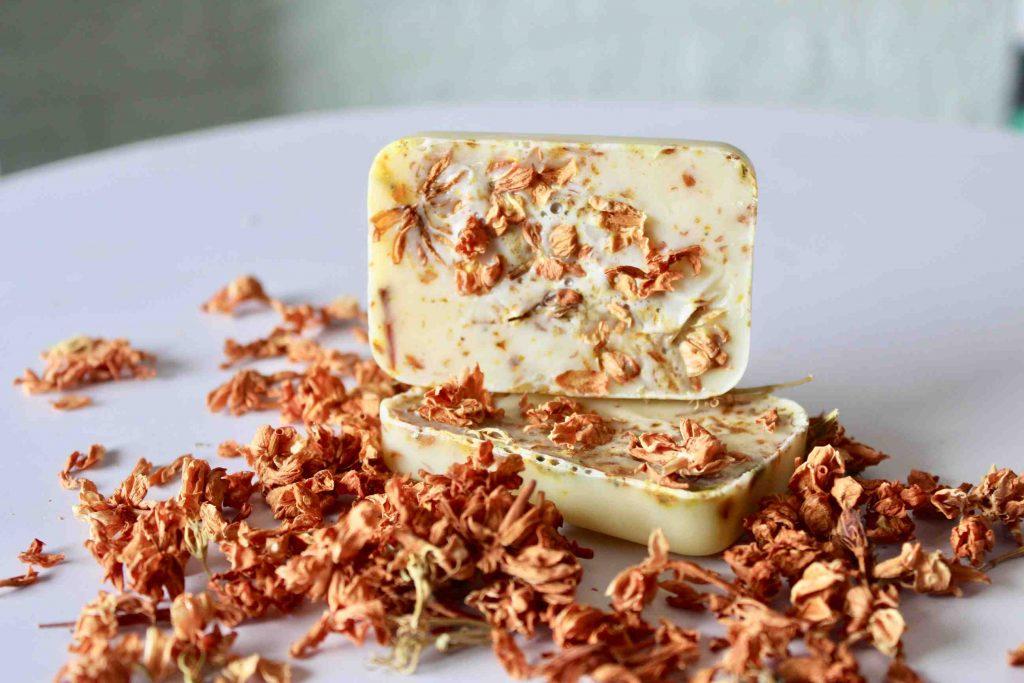
Jasmine Benefits for Skin
1. Provides Antioxidant-Rich Botanical Care
Plants contain naturally occurring compounds that can contribute antioxidant properties to skincare formulations.
Jasmine is valued as a botanical ingredient containing naturally occurring plant compounds that can complement a natural skincare routine.
Antioxidant-focused skincare is generally used to support the appearance of healthy-looking skin and help maintain a fresh, cared-for appearance.
However, jasmine should not be considered a treatment for skin diseases or a replacement for medically recommended skincare.
2. Supports a Fresh and Healthy-Looking Appearance
Jasmine has long been associated with beauty rituals and luxurious personal care.
When included in a well-formulated skincare product, jasmine can contribute to a refreshing and pleasant skincare experience.
Rather than promising that jasmine will dramatically change the skin, it is more appropriate to think of it as a botanical ingredient that complements everyday skin care.
3. Offers a Naturally Aromatic Skincare Experience
One of jasmine’s most distinctive characteristics is its fragrance.
Its floral aroma is commonly used in perfumes, body care, soaps, oils, and other personal-care products.
In a jasmine-based bathing product, the fragrance can make an ordinary cleansing routine feel more enjoyable and connected to nature.
This is one reason jasmine is particularly popular in handmade soaps and body-care products.
4. Complements Nourishing Botanical Formulations
Jasmine can be combined with carrier oils, plant butters, botanical extracts, or other naturally derived ingredients in skincare formulations.
The final benefits of such a product depend on the complete formulation rather than jasmine alone.
For example, a jasmine soap may combine jasmine with cleansing oils and moisturizing or conditioning ingredients. The resulting skin feel comes from the entire formulation.
This is an important distinction when choosing natural skincare.
An ingredient can be valuable, but the complete formulation matters more than the ingredient name alone.
5. Can Complement Skincare for Different Skin Types
Jasmine itself should not automatically be classified as a solution for a particular skin type.
Instead, the suitability of a jasmine product depends on its formulation.
A properly formulated jasmine skincare product may be incorporated into routines for:
- Normal skin
- Dry-feeling skin
- Combination skin
- Oily-feeling skin
- Mature skin
- Sensitive-feeling skin
For sensitive skin, however, fragrance and essential oils may not be suitable for everyone.
Always check the complete ingredient list and patch test a new product when appropriate.
Jasmine for Different Skin Concerns
Jasmine for Dry Skin
Jasmine itself is not a moisturizer in the same way that a humectant or emollient ingredient is.
However, jasmine can be included in products formulated with nourishing oils, butters, or other moisturizing ingredients.
If you have dry-feeling skin, look at the complete formulation rather than choosing a product only because it contains jasmine.
Jasmine for Oily Skin
Jasmine is not a proven oil-control treatment.
However, jasmine can be included in lightweight botanical skincare formulations designed for everyday cleansing or personal care.
For oily-feeling skin, the overall formulation and cleansing system are more important than the presence of jasmine alone.
Jasmine for Sensitive Skin
Jasmine requires a little more consideration for sensitive skin.
Because jasmine may be present as an essential oil or fragrance component, some people may experience sensitivity to fragranced products.
If your skin is sensitive:
- Check the ingredient list carefully.
- Avoid applying concentrated essential oils directly to the skin.
- Patch test new products when appropriate.
- Stop using a product if irritation occurs.
- Choose fragrance-free products if your skin does not tolerate fragrance well.
Natural does not automatically mean suitable for every skin type.
Jasmine Soap Benefits for Skin
Jasmine is a popular botanical and aromatic ingredient in handmade soaps.
A jasmine soap can provide several benefits as part of an everyday bathing ritual:
Gentle Everyday Cleansing
The primary purpose of soap is cleansing. Jasmine adds a botanical and floral dimension to the bathing experience.
Floral Aromatic Experience
Jasmine’s characteristic fragrance can make bathing feel more relaxing and enjoyable.
Botanical Skin Care
When combined with skin-conscious ingredients, jasmine can contribute to a nature-inspired cleansing formulation.
Handmade Skincare Experience
Handmade soaps often allow formulators to combine botanical ingredients with carefully selected oils, butters, extracts, or other ingredients.
The important point is that jasmine soap should not be judged by jasmine alone.
Look at the complete ingredient list, cleansing base, fragrance or essential-oil content, and how your skin responds to the finished product.
Jasmine Flower vs Jasmine Oil for Skin
The terms “jasmine flower” and “jasmine oil” can refer to very different ingredients.
Jasmine Flower
Jasmine flowers may be used in traditional beauty rituals, botanical preparations, decorative skincare formulations, or as part of infused products.
The composition and effect depend on how the flowers are processed and used.
Jasmine Essential Oil
Jasmine essential oil is a concentrated aromatic material.
It should not be applied directly to the skin without appropriate dilution and formulation.
Essential oils can cause irritation or sensitization in some individuals.
Jasmine-Infused Oil
A jasmine-infused oil is different from jasmine essential oil.
In an infused oil, botanical material is infused into a carrier oil. The resulting product depends on the carrier oil, infusion method, botanical material, and concentration.
Jasmine Extract
Jasmine extracts are prepared using specific extraction methods and can have a different composition from both essential oils and infused oils.
This is why simply seeing the word “jasmine” on a skincare label does not tell you everything about the product.
Is Jasmine Good for Your Skin?
Jasmine can be a useful botanical ingredient in skincare, particularly when used in a well-formulated product.
Its main appeal comes from its botanical properties, floral aroma, and compatibility with a variety of personal-care formulations.
However, it is better to avoid exaggerated claims such as jasmine being a cure for acne, pigmentation, eczema, scars, or other skin conditions.
The most realistic approach is to view jasmine as one botanical ingredient within a complete skincare formulation.
How to Use Jasmine Skincare
The best way to use jasmine depends on the type of product.
Jasmine Soap
Use as an everyday cleansing bar according to the product instructions.
Jasmine Face or Body Oil
Apply according to the product’s formulation and directions. Do not assume that an essential oil can be used like a carrier oil.
Jasmine Face Pack
Follow the product instructions and avoid using concentrated essential oils directly in homemade mixtures.
Jasmine Body Care
Jasmine can be used in body oils, creams, lotions, and other personal-care products where its aromatic and botanical qualities complement the formulation.
Can Jasmine Be Used Directly on the Skin?
It depends on the form.
A jasmine essential oil should not be applied directly to the skin in its concentrated form.
A properly formulated jasmine skincare product is different because the ingredient has been incorporated into a product at an appropriate concentration and with other supporting ingredients.
If you are making your own skincare products, learn the appropriate dilution, formulation, and safety requirements before using essential oils.
Jasmine and Natural Skincare
At BloomyBliss, we believe natural skincare should be about more than simply adding a plant name to a product.
How an ingredient is sourced, processed, formulated, and used matters.
Jasmine can be beautiful in its natural form, but responsible skincare also means understanding the difference between:
- A flower and an extract
- An infused oil and an essential oil
- A botanical ingredient and a fragrance
- A raw ingredient and a finished formulation
This is why we prefer a thoughtful, nature-inspired approach to skincare rather than making exaggerated promises about individual ingredients.
Why Choose Jasmine-Based Skincare?
Jasmine may be a good choice if you enjoy:
- Floral botanical skincare
- Nature-inspired bathing rituals
- Aromatic handmade soaps
- Plant-based personal-care ingredients
- Simple everyday body-care routines
- Floral-inspired self-care
If you have sensitive skin or do not tolerate fragrance well, however, jasmine-containing products may not always be the right choice.
Your skin’s response should always guide your routine.
Frequently Asked Questions About Jasmine for Skin
What are the benefits of jasmine for skin?
Jasmine is valued as a botanical ingredient with naturally occurring plant compounds and a distinctive floral aroma. In skincare, it can complement formulations designed for everyday cleansing and personal care.
Is jasmine good for dry skin?
Jasmine itself is not a moisturizer, but it can be included in formulations containing nourishing oils, butters, or other moisturizing ingredients. The complete formulation matters.
Is jasmine good for oily skin?
Jasmine is not a proven oil-control treatment. It can, however, be included in lightweight cleansing or botanical skincare products suitable for oily-feeling skin.
What are the benefits of jasmine soap?
Jasmine soap can provide everyday cleansing together with the floral aroma and botanical experience associated with jasmine. Its actual skin feel depends on the complete soap formulation.
Can jasmine help with acne?
Jasmine should not be presented as an acne treatment. If you have persistent or severe acne, consider products specifically formulated for acne-prone skin and consult a qualified healthcare professional when necessary.
Can jasmine reduce pigmentation or dark spots?
There is not enough reason to treat jasmine as a guaranteed pigmentation or dark-spot solution. Skincare for pigmentation should focus on evidence-based ingredients and appropriate sun protection.
Can I apply jasmine essential oil directly to my face?
No. Concentrated essential oils should not be applied directly to the face without appropriate dilution and formulation. They may cause irritation or sensitization.
Is jasmine suitable for sensitive skin?
It depends on the formulation and the individual. Fragrance and essential oils may irritate some sensitive skin. Always check the ingredient list and patch test when appropriate.
Is jasmine natural skincare safe?
“Natural” does not automatically mean safe for everyone. The form, concentration, formulation, quality, and individual skin sensitivity all matter.
Jasmine has a special place in natural beauty because it combines botanical appeal with one of the most recognizable floral aromas.
For skincare, however, the most useful approach is to look beyond the flower itself.
A good jasmine skincare product should be considered as a complete formulation, not simply as “a product containing jasmine.”
Whether used in handmade soap, body oil, botanical skincare, or other personal-care products, jasmine can bring a beautiful nature-inspired element to an everyday skincare routine.
At BloomyBliss, we believe skincare should respect both nature and the individuality of your skin.
Nature does not need exaggerated promises to be valuable.
Sometimes, thoughtful formulation, honest ingredients, and a simple daily ritual are enough.