
Marigold is one of nature’s most loved flowers. Known for its bright golden and orange petals, marigold has been used traditionally in beauty rituals, herbal preparations, and botanical skincare.
In natural skincare, marigold is appreciated for its plant-based properties and gentle flower-inspired character. It may be found in handmade soaps, face packs, infused oils, creams, and other botanical formulations.
Depending on the type of ingredient used—such as marigold petals, powder, extract, or infused oil—marigold skincare may help support soft, fresh, comfortable, and healthy-looking skin. However, its benefits depend on the formulation, ingredient quality, concentration, and your individual skin type.
This guide explores the potential marigold benefits for skin, how marigold is used in skincare, and how to choose marigold-based products thoughtfully.
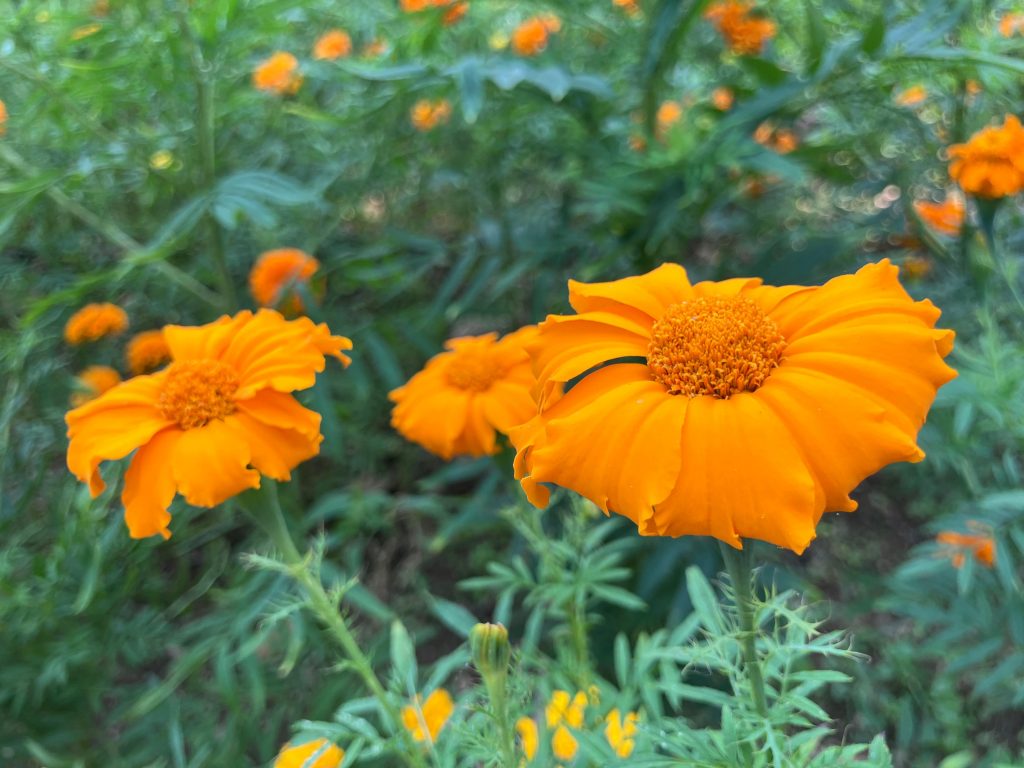
What Is Marigold?
Marigold is a flowering plant from the Tagetes genus. Its bright flowers are commonly used for decoration, traditional celebrations, gardening, and botanical preparations.
Marigold is sometimes discussed alongside calendula because both belong to the daisy family and are used in herbal skincare. However, they are not the same plant.
- Marigold: Commonly refers to Tagetes species.
- Calendula: Usually refers to Calendula officinalis, also known as pot marigold.
Because these plants are different, always check the botanical name and ingredient list when buying marigold or calendula skincare.
Marigold Benefits for Skin
1. Provides Flower-Inspired Botanical Care
Marigold brings a natural botanical character to skincare. Its colourful petals and traditional beauty use make it a popular ingredient in flower-based soaps, masks, oils, and other personal-care products.
Depending on the formulation, marigold may help create a simple, nature-inspired skincare ritual.
2. Contains Naturally Occurring Plant Compounds
Marigold flowers contain naturally occurring plant compounds, including pigments and other botanical constituents. Some of these compounds are studied for their antioxidant properties.
Antioxidants are commonly included in skincare because they help support the skin’s natural defence against everyday environmental stress. However, the effect depends on the ingredient form and how the product is formulated.
3. Helps Support Healthy-Looking Skin
Marigold-based skincare may help support skin that looks fresh, soft, and well cared for.
A marigold soap, face pack, or botanical oil can become part of an everyday routine focused on cleansing and maintaining a comfortable skin feel. It should not be considered a treatment for a specific skin condition.
4. Adds a Fresh and Floral Skincare Experience
Marigold is valued not only for its botanical story but also for its bright floral identity.
When used in a well-formulated product, marigold can add a refreshing and uplifting element to your bathing or skincare routine. The final scent and skin feel depend on the other ingredients used in the formula.
5. May Suit Simple Everyday Skincare Rituals
Marigold can be included in different types of skincare products, including:
- Handmade soaps
- Botanical face packs
- Herbal masks
- Infused oils
- Creams and lotions
- Floral skincare blends
For everyday use, choose a product according to your skin type and the complete ingredient list rather than relying only on the name of one botanical.
Is Marigold Good for Sensitive Skin?
Marigold may be suitable for some people with sensitive-feeling skin, but it is not automatically suitable for everyone.
Natural flowers, plant powders, extracts, fragrances, and essential oils can still cause irritation or sensitivity. The final product formula matters more than the presence of marigold alone.
If your skin is sensitive:
- Check the complete ingredient list.
- Avoid products with ingredients you already know irritate your skin.
- Perform a patch test before regular use.
- Start with a simple product.
- Stop using the product if you experience burning, itching, redness, or discomfort.
If you have a persistent skin concern, consult a qualified dermatologist.
Marigold for Dry Skin
Marigold can be used in skincare designed for dry-feeling skin, especially when combined with moisturising ingredients such as:
- Glycerin
- Shea butter
- Plant oils
- Goat milk
- Cocoa butter
- Mango butter
Marigold itself should not be considered a complete moisturiser. The overall formula determines whether a product feels nourishing, creamy, lightweight, or moisturising.
For dry skin, look for a marigold product that also contains skin-conditioning ingredients.
Marigold for Oily Skin
Marigold may be included in lightweight skincare routines for oily-feeling skin. However, the suitability of a product depends on the full formulation.
For oily skin, consider:
- Lightweight textures
- Gentle cleansing products
- Non-heavy moisturising ingredients
- Products without excessive fragrance
- A routine that does not over-cleanse the skin
Marigold should not be promoted as a guaranteed solution for excess oil, acne, or blocked pores.
Can Marigold Help with Acne?
Marigold is sometimes discussed in connection with blemish-prone skin because of its traditional botanical use and plant compounds.
However, marigold skincare should not be described as an acne cure or medical treatment. Acne can have several causes, and a rinse-off soap or botanical product may not address the underlying issue.
If you have frequent, painful, or persistent breakouts, seek advice from a qualified dermatologist.
Marigold Flower, Powder, Extract and Infused Oil
Marigold can be used in different forms, and these forms are not interchangeable.
Marigold Petals
Dried petals may be used as a decorative botanical ingredient or included in handmade skincare products. Petals do not automatically provide the same properties as a concentrated extract.
Marigold Powder
Powdered flower material is commonly used in botanical face packs and masks. Its texture and suitability depend on how finely it is prepared and how it is combined with other ingredients.
Marigold Extract
An extract is prepared using a specific extraction method. Its properties depend on the plant material, solvent, concentration, and manufacturing process.
Marigold-Infused Oil
An infused oil is created by placing plant material in a carrier oil. Its feel and botanical properties depend on the carrier oil, infusion method, duration, and final concentration.
Always check the product label to understand which form of marigold is being used.
Marigold in Handmade Soap
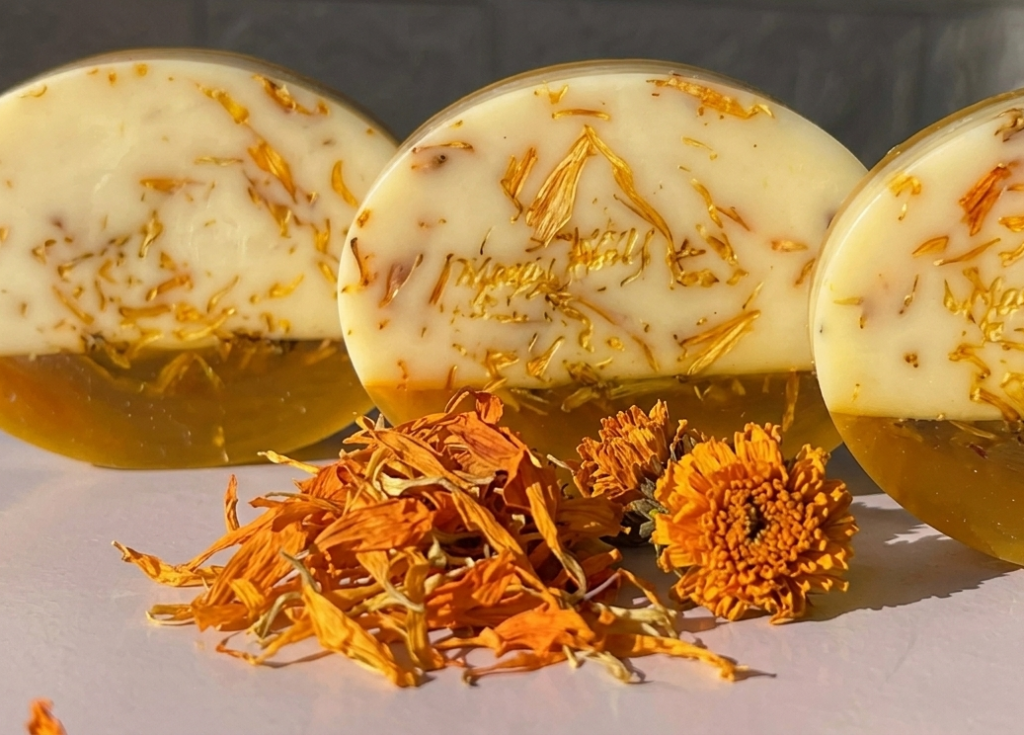
Marigold can add a beautiful botanical story to handmade soap. When combined with suitable cleansing oils, butters, glycerin, or goat milk, it can create a flower-inspired everyday bathing experience.
A marigold soap may:
- Provide everyday cleansing
- Add botanical character
- Leave skin feeling fresh and comfortable
- Offer a soft floral bathing experience
- Fit naturally into a nature-inspired skincare routine
The final skin feel depends on the complete soap formulation. Marigold soap should not be described as a treatment for acne, eczema, scars, pigmentation, or other medical concerns.
Marigold Goat Milk Soap by BloomyBliss
BloomyBliss Marigold Goat Milk Soap brings together the beauty of marigold with the creamy cleansing character of goat milk.
It is designed as a nature-inspired bathing option for people who enjoy botanical skincare and simple everyday rituals.
Why You May Enjoy It
- Creamy cleansing experience
- Enriched with goat milk
- Marigold-inspired botanical care
- Leaves skin feeling soft and refreshed
- Suitable for an everyday bathing ritual
- Handmade in small batches
- Inspired by nature-first skincare
As with any skincare product, check the complete ingredient list and patch test before regular use.
How to Use Marigold Skincare
The best method depends on the product.
For Marigold Soap
- Wet your skin with water.
- Lather the soap between your hands or on a soft bathing cloth.
- Massage gently over the body.
- Rinse thoroughly.
- Store the soap in a dry, well-drained soap dish.
For Marigold Face Packs
- Follow the product instructions.
- Avoid the eye area.
- Do not leave the product on longer than recommended.
- Rinse gently.
- Apply a suitable moisturiser afterward.
For Marigold Oils or Leave-On Products
Use only as directed on the label. Patch test first, especially if the product contains fragrance or essential oils.
How to Choose a Marigold Skincare Product
Before buying a marigold-based product, consider:
- The botanical name of the ingredient
- Whether it contains petals, powder, extract, or infused oil
- The complete ingredient list
- Whether the product is rinse-off or leave-on
- Added fragrance or essential oils
- Your skin type
- Patch-testing instructions
- Storage and shelf-life information
The word “natural” does not guarantee that a product will suit every person. The complete formulation matters most.
Frequently Asked Questions About Marigold for Skin
1. What are the benefits of marigold for skin?
Marigold is valued for its botanical character and naturally occurring plant compounds. Depending on the formulation, it may help support fresh, soft, comfortable, and healthy-looking skin.
2. Is marigold good for glowing skin?
Marigold may contribute to a fresh and healthy-looking appearance as part of a consistent skincare routine. However, results depend on the ingredient form, concentration, complete formula, and individual skin.
3. Is marigold suitable for dry skin?
Marigold can be included in products designed for dry-feeling skin, especially when combined with ingredients such as glycerin, shea butter, goat milk, or plant oils. The overall formula determines how moisturising the product feels.
4. Is marigold good for oily skin?
Marigold may be suitable for oily-feeling skin when used in a lightweight formulation. Choose a product based on its complete ingredient list rather than marigold alone.
5. Can marigold help with acne?
Marigold should not be presented as an acne treatment or cure. If you experience persistent or painful acne, consult a qualified dermatologist.
6. Can marigold remove pigmentation or dark spots?
There is not enough evidence to promise that marigold skincare will remove pigmentation or dark spots. For targeted pigmentation concerns, professional dermatological advice is recommended.
7. Is marigold safe for sensitive skin?
Marigold may not suit everyone with sensitive skin. Flowers, plant extracts, powders, fragrances, and essential oils can cause irritation in some people. Always patch test and check the complete ingredient list.
8. Are marigold and calendula the same?
No. Marigold usually refers to plants from the Tagetes genus, while calendula commonly refers to Calendula officinalis. They are related but different plants.
9. What is the difference between marigold petals and marigold extract?
Marigold petals are raw or dried plant material. Marigold extract is prepared through a specific extraction process and may contain a different concentration of plant compounds. They should not be treated as identical ingredients.
10. What are the benefits of marigold in handmade soap?
Marigold can add botanical character and a flower-inspired skincare experience to handmade soap. Depending on the complete formula, the soap may leave skin feeling clean, fresh, and comfortable.
11. Can I apply raw marigold petals directly to my face?
It is better to use a properly prepared and formulated product. Raw plant material may contain dust, contaminants, or compounds that irritate some skin types. Always check the quality and suitability of any botanical ingredient.
12. How often can I use marigold skincare?
Follow the directions on the product. Start slowly when using a new face pack, mask, oil, or leave-on product. Stop use if you experience irritation or discomfort.
13. Can marigold replace moisturiser or sunscreen?
No. Marigold skincare does not replace moisturiser, sunscreen, or dermatologist-recommended treatment. Use a suitable moisturiser and broad-spectrum sunscreen as part of your routine.
14. What should I check before buying marigold skincare?
Check the botanical name, ingredient form, complete ingredient list, fragrance content, product type, usage instructions, and patch-testing guidance.
Marigold brings colour, tradition, and botanical beauty to natural skincare. It can be a meaningful ingredient in handmade soaps, face packs, oils, and other nature-inspired products.
The most important point is to look beyond the flower name. The ingredient form, complete formulation, processing method, and your own skin needs all matter.
At BloomyBliss, we believe skincare should be simple, thoughtful, and connected to nature—with honest descriptions and no exaggerated promises.
Nature does not need to make unrealistic promises to be beautiful. It only needs to be understood, respected, and used thoughtfully.