
Ragi, also known as finger millet, is one of India’s traditional grains. It is widely known as a nutritious food, but ragi has also found a place in traditional beauty practices and modern natural skincare.
Ragi flour and other grain-based preparations can be used in face packs and body-care rituals, while finely processed ragi may also be incorporated into handmade soaps and other skincare products.
But how useful is ragi for skin?
The answer depends on how it is prepared and used.
Ragi contains naturally occurring nutrients and plant compounds, and its fine grain texture can also make it useful in physical exfoliating preparations. However, claims that ragi can permanently whiten skin, cure acne, remove pigmentation, or dramatically change skin tone go beyond what we should reasonably promise from a single ingredient.
In this guide, we explore ragi benefits for skin, how ragi can be used in skincare, ragi soap benefits, ragi face packs, and how to choose ragi-based skincare thoughtfully.
Fun Fact: Ragi (finger millet) isn’t just a superfood – South Indian queens used it as a natural skin brightener for centuries! Today, dermatologists confirm its benefits for acne, pigmentation, and aging. Here’s why your skin will love ragi (and how to use it right).

What Is Ragi?
Ragi (Eleusine coracana), commonly called finger millet, is a traditional cereal crop widely cultivated in India and other parts of Africa and Asia.
It is particularly known as a food source of:
- Calcium
- Iron
- Dietary fibre
- Protein
- Various micronutrients
- Naturally occurring plant compounds
In skincare, ragi may be used in forms such as:
- Ragi flour
- Finely ground ragi
- Ragi powder
- Ragi extracts or processed botanical ingredients
- Ragi-based handmade soap
These forms are not necessarily equivalent.
A food ingredient, a face-pack powder, and an ingredient incorporated into a finished soap have different purposes and different levels of contact with the skin.
Ragi Benefits for Skin
1. Provides Nutrient-Rich Botanical Care
Ragi contains a range of nutrients and naturally occurring plant compounds.
When used in a cosmetic preparation, these properties can complement a broader botanical skincare formulation.
However, the nutritional value of eating ragi should not automatically be interpreted as the same benefit from applying ragi to the skin.
The form, preparation, concentration, and complete formulation matter.
2. Can Support a Smoother Skin Feel
Finely ground ragi can provide a grain-based texture in certain traditional face packs and body-care preparations.
When used gently, a finely textured preparation can help remove surface impurities and dead skin cells through physical exfoliation.
However, more scrubbing does not mean better skincare.
Aggressive physical exfoliation can irritate the skin, especially if the particles are coarse or the skin barrier is already compromised.
For facial skin, gentle application is preferable.
3. Complements a Nature-Inspired Skincare Routine
Ragi is a familiar plant-based ingredient with strong roots in Indian food and agricultural traditions.
Its use in skincare provides an opportunity to bring a traditional grain into a modern, nature-inspired beauty routine.
It can be combined with other ingredients in:
- Face packs
- Cleansing preparations
- Handmade soaps
- Body scrubs
- Botanical skincare products
The final skincare experience depends on the entire formulation rather than ragi alone.
4. Contains Naturally Occurring Antioxidant Compounds
Ragi contains naturally occurring phenolic compounds and other plant constituents that contribute to its nutritional and botanical profile.
Antioxidant-rich plant ingredients are commonly used in skincare formulations designed to support healthy-looking skin.
However, laboratory antioxidant activity should not be interpreted as proof that applying ragi to the skin will prevent aging, remove pigmentation, or treat a particular skin condition.
Ragi for Different Skin Types
Ragi for Normal Skin
Ragi can be incorporated into occasional face packs or formulated skincare products for people who enjoy grain-based botanical ingredients.
If using a homemade preparation, keep the texture fine and avoid aggressive rubbing.
Ragi for Dry Skin
Ragi itself should not be considered a moisturizer.
If your skin is dry, a ragi face pack may be combined in a formulated product with moisturizing ingredients, or followed by a suitable moisturizer.
Avoid frequent physical exfoliation if your skin feels dry, tight, or easily irritated.
Ragi for Oily Skin
Ragi can be used as part of a cleansing or exfoliating routine, but it should not be described as a guaranteed oil-control treatment.
For oily-feeling skin, a balanced routine involving gentle cleansing, suitable moisturization, and sun protection is more important than relying on one ingredient.
Ragi for Sensitive Skin
Physical exfoliation requires extra care when you have sensitive skin.
A grain-based powder can feel abrasive depending on its particle size and how it is applied.
If your skin is sensitive:
- Avoid vigorous scrubbing.
- Patch test a new preparation.
- Avoid using grain-based exfoliants on irritated skin.
- Stop if burning, redness, or discomfort develops.
- Consider gentler formulations if your skin is easily reactive.
Natural ingredients can still cause irritation.
Ragi Face Pack for Skin
Ragi is traditionally used in homemade face-pack preparations.
A simple approach is to create a smooth paste using finely ground ragi with a suitable base.
For example, a basic face-pack concept can include:
- Finely ground ragi
- Water or another suitable cosmetic base
- A moisturizing ingredient appropriate for your skin type
Mix into a smooth paste and apply gently.
Avoid vigorous rubbing.
Leave the preparation on only as long as appropriate for the ingredients being used, then rinse gently and moisturize if needed.
Important note
Homemade skincare has limitations.
Ingredients such as milk, honey, fresh plant material, or kitchen preparations can introduce contamination or irritation if stored or handled incorrectly.
For regular skincare, a properly formulated cosmetic product can offer greater consistency.
Can Ragi Brighten Skin?
Ragi is sometimes marketed as a natural skin-whitening or skin-lightening ingredient.
We would not describe it that way.
Your natural skin tone does not need to be changed to make your skin healthy-looking.
A more appropriate description is that ragi can be part of a skincare routine designed to leave the skin feeling clean, smooth, and refreshed, particularly when used in a gentle exfoliating preparation.
If you are concerned about uneven pigmentation, sun spots, or persistent discoloration, evidence-based skincare and appropriate sun protection are more reliable approaches.
Can Ragi Help With Dark Spots?
Ragi should not be presented as a guaranteed treatment for dark spots.
Pigmentation can have many causes, including:
- Sun exposure
- Post-inflammatory changes
- Hormonal factors
- Skin conditions
- Genetics
A single grain-based ingredient cannot address all of these causes.
If pigmentation is persistent or changing, professional advice may be appropriate.
Can Ragi Help With Acne?
Ragi should not be marketed as an acne treatment.
A ragi-containing soap or face pack may be used as part of a cleansing routine, but acne involves biological processes that cannot be reduced to one ingredient.
If you have persistent or severe acne, choose products formulated for acne-prone skin and consider professional guidance.
Avoid harsh scrubbing, especially when active breakouts are present.
Ragi Soap Benefits for Skin
Ragi can be incorporated into handmade soap as a botanical or grain-based ingredient.
A well-formulated ragi soap can provide:
Everyday Cleansing
The primary function of soap is to cleanse the skin.
Grain-Based Botanical Care
Finely processed ragi can contribute a distinctive botanical element to the soap formulation.
A Different Skin Feel
Depending on the formulation and particle size, ragi can contribute to the texture and sensory experience of a handmade soap.
Nature-Inspired Bathing
Ragi brings a familiar Indian grain into an everyday personal-care ritual.
However, the benefits of a ragi soap come from the complete formulation, not simply from adding ragi.
The other oils, butters, cleansing ingredients, fragrance, and botanical ingredients all contribute to the final product.
Ragi Soap vs Ragi Face Pack
These two uses should not be treated as the same.
Ragi Face Pack
A face pack remains on the skin for a period of time and may provide a grain-based or botanical skincare experience.
Ragi Soap
Soap is a rinse-off cleansing product.
The contact time is much shorter, so claims made about a leave-on preparation should not automatically be transferred to soap.
This distinction is important when evaluating skincare claims.
How to Choose a Ragi Skincare Product
If you are buying ragi-based skincare, look beyond the word “ragi.”
Check the complete ingredient list
Ragi is only one component of a finished product.
Understand the form of ragi
Is it flour, powder, extract, or another processed ingredient?
Consider the product type
A soap, face pack, scrub, and facial product have different functions.
Avoid exaggerated promises
Be cautious of claims such as:
- Permanent skin whitening
- Instant pigmentation removal
- Guaranteed acne treatment
- Permanent scar removal
- Dramatic results in a few days
A botanical ingredient does not need exaggerated promises to be useful.
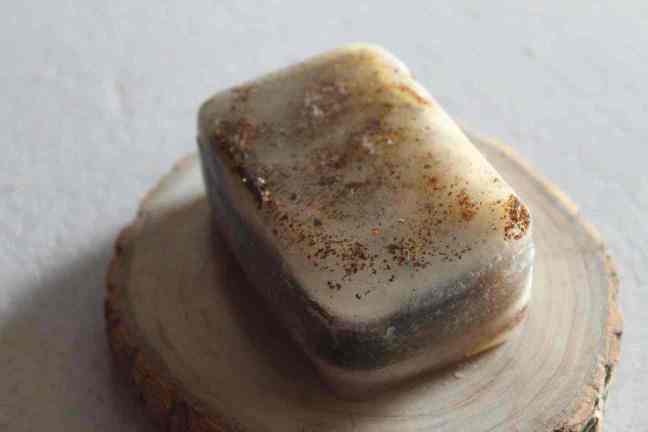
Our Handmade Ragi Soap at BloomyBliss
At BloomyBliss, we use the idea of traditional botanical ingredients in a modern, thoughtful skincare context.
Our handmade ragi soap is designed as an everyday cleansing product that brings ragi into a nature-inspired bathing ritual.
Rather than presenting ragi as a miracle ingredient, we focus on the complete formulation and the everyday experience of using a handmade botanical soap.
For product details, always refer to the current product ingredient list and usage instructions.
Ragi and Nature-First Skincare
Ragi represents something we value at BloomyBliss: the connection between traditional plants and modern everyday living.
But nature-first skincare is not about putting a plant name on a label and promising everything from it.
It means understanding:
- What the ingredient is
- How it is processed
- How it is formulated
- How it interacts with other ingredients
- How the finished product is intended to be used
- What claims can honestly be made
Nature is valuable without exaggeration.
Frequently Asked Questions About Ragi for Skin
What are the benefits of ragi for skin?
Ragi can be used as a botanical ingredient in face packs, handmade soaps, and other skincare preparations. Finely ground ragi can provide gentle physical exfoliation, while the grain contains naturally occurring plant compounds.
Is ragi good for glowing skin?
Ragi may contribute to a clean and smoother skin feel when used appropriately in a gentle skincare preparation. However, “glowing skin” is not a specific medical outcome, and results vary between individuals.
What are the benefits of ragi soap?
Ragi soap can provide everyday cleansing and may contribute a distinctive grain-based botanical element to the formulation. Its actual skin feel depends on the complete soap formulation.
Can ragi whiten skin?
Ragi should not be described as a skin-whitening ingredient. It cannot be expected to permanently change your natural skin tone.
Can ragi remove dark spots?
There is no reason to promise that ragi will remove dark spots. Persistent pigmentation is better addressed with an appropriate skincare routine, sun protection, and professional advice when necessary.
Can ragi help acne?
Ragi should not be considered an acne treatment. A ragi soap may be used as a cleansing product, but persistent acne requires a more targeted skincare approach.
Is ragi good for dry skin?
Ragi itself is not a moisturizer. If used in a face pack or skincare product, look for formulations that also contain suitable moisturizing ingredients.
Is ragi suitable for sensitive skin?
It depends on the formulation and the individual. Grain-based exfoliation may irritate sensitive or already irritated skin, particularly when applied with vigorous rubbing.
Can I use ragi flour directly on my face?
Finely ground ragi can be used in some traditional face-pack preparations, but avoid aggressive scrubbing and consider patch testing. A properly formulated cosmetic product provides more consistency than a homemade preparation.
How often can I use a ragi face pack?
There is no single frequency suitable for everyone. If the preparation contains physical exfoliating particles, using it too frequently can irritate the skin. Follow the directions of a properly formulated product and adjust according to your skin’s response.
Ragi is much more than a traditional grain.
Its nutritional and botanical characteristics have made it an interesting ingredient for people exploring traditional and nature-inspired skincare.
Used thoughtfully, finely processed ragi can contribute to gentle grain-based exfoliation and botanical personal-care formulations. It can also be incorporated into handmade soaps for an everyday cleansing experience.
But ragi does not need to be called a miracle ingredient.
Healthy-looking skin comes from consistent care, suitable formulations, and understanding what your skin actually needs.
At BloomyBliss, our approach is simple:
Respect traditional ingredients. Formulate thoughtfully. Keep skincare claims honest.
That is what nature-first living means to us.