Dried flowers can turn a simple resin project into something that feels personal, natural, and completely unique.
Whether you’re making resin earrings, pendants, bookmarks, coasters, trays, keychains, paperweights, or decorative artwork, real flowers can add color, texture, and a beautiful botanical character.
But not every dried flower works equally well in resin.
The best flowers are completely dry, relatively delicate, easy to position, and suited to the size and depth of your resin mold. Moisture is particularly important because flowers need to be properly dried before being embedded in resin to reduce the risk of deterioration or mold.
So, which dried flowers should you choose?
How many do you actually need?
And how should you preserve and store them?
Let’s explore everything you need to know.
Which Dried Flowers Are Best for Resin?
Some of the most useful dried botanicals for resin art include:
- Dried rose petals
- Small dried flowers
- Pressed flowers
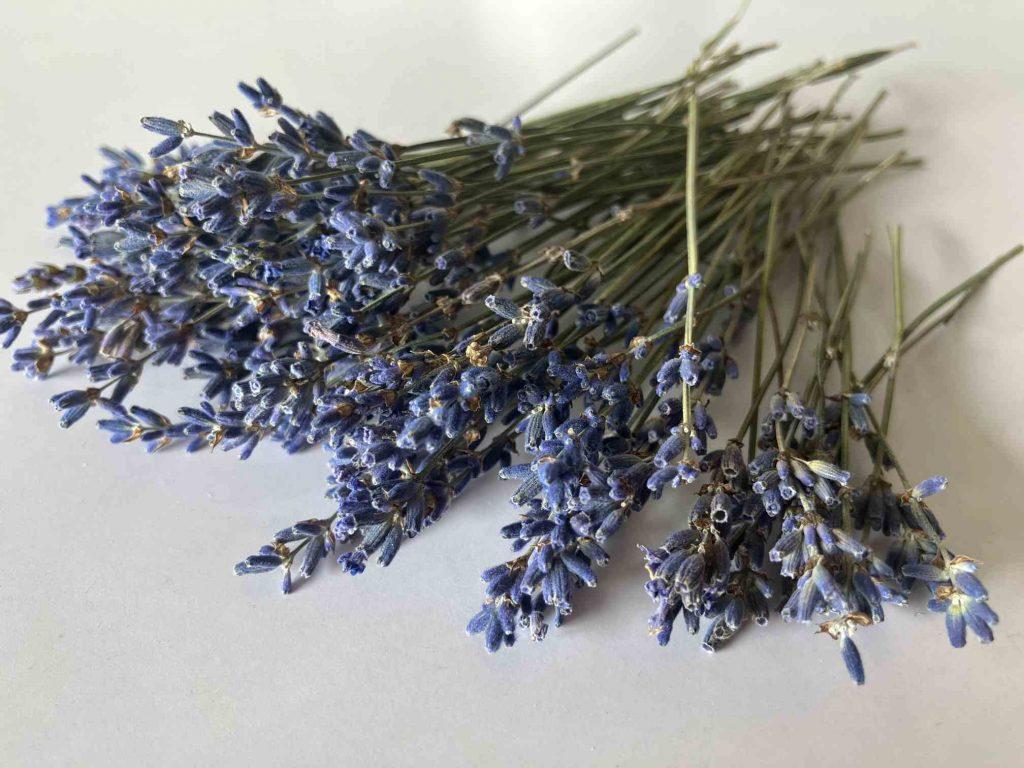
- Lavender
- Baby’s breath
- Gomphrena
- Celosia
- Strawflowers
- Dried daisies
- Small chrysanthemums
- Dried flower heads
- Ferns and small leaves
- Dried grasses
- Mixed botanical pieces
The best option depends on what you’re creating.
For example, flat pressed flowers are particularly convenient for resin bookmarks, jewelry, phone cases, and other shallow designs, while three-dimensional flower heads can work better when you want depth and texture.
1. Rose Petals
Rose petals are one of the easiest botanical elements to experiment with.
You can use individual petals to create:
- Resin earrings
- Pendants
- Bookmarks
- Coasters
- Floral patterns
- Minimalist resin art
Because individual petals are easy to arrange, they are also a good choice when you’re learning resin flower art.
2. Pressed Flowers
Pressed flowers are excellent when you want a flat botanical design.
They can be especially useful for:
- Resin bookmarks
- Jewelry
- Phone cases
- Coasters
- Flat artwork
BloomyBliss offers natural pressed flowers specifically for art and craft applications, including resin projects.
3. Lavender
Lavender adds both structure and a recognizable botanical shape.
Its small flowers can work particularly well in:
- Jewelry
- Bookmarks
- Miniature resin pieces
- Botanical compositions
4. Baby’s Breath
Baby’s breath is useful when you want a delicate filler rather than one large focal flower.
Its tiny flowers can help create a soft, airy appearance around larger flowers.
5. Gomphrena
Gomphrena is another interesting choice for resin because its small flower heads can create strong visual details without requiring a large amount of material.
6. Celosia
Celosia can give resin artwork a more textured and unusual appearance.
It can work particularly well when you want your finished piece to look less like a conventional floral arrangement and more like a natural botanical composition.
7. Dried Leaves and Ferns
Don’t limit yourself to flowers.
Small leaves, ferns and grasses can make resin compositions look much more natural by adding:
- Greenery
- Contrast
- Movement
- Texture
- Visual depth
BloomyBliss also carries dried leaves, grasses and mixed botanicals suitable for creative projects.
What Are the Best Dried Flowers for Different Resin Projects?
There isn’t one “best” flower for every project.
Instead, match the flower to the size and depth of your mold.
| Resin Project | Recommended Dried Botanicals |
|---|---|
| Earrings | Tiny flowers, petals, baby’s breath |
| Rings | Small petals and tiny flowers |
| Pendants | Small flowers, lavender, petals |
| Bookmarks | Pressed flowers, petals, leaves |
| Keychains | Small flower heads and petals |
| Coasters | Pressed flowers, flower heads, leaves |
| Trays | Larger flowers + leaves + grasses |
| Phone cases | Pressed flowers and small botanicals |
| Large artwork | Flower heads + leaves + grasses |
| Minimalist designs | Individual petals and small flowers |
The important thing isn’t simply choosing a beautiful flower.
Choose a flower that fits your design.
How Many Dried Flowers Do You Need for Resin?
This is one of the most common questions beginners have.
The answer depends on the size of your mold and how densely you want to arrange the flowers.
You don’t necessarily need a large quantity.
For Small Resin Jewelry
For earrings, rings and small pendants, you may only need:
2–10 small flowers or petals per piece.
For very tiny molds, even a few petals can be enough.
For Resin Bookmarks
Depending on the design, approximately:
5–15 small flowers, petals or botanical pieces
can give you enough material to create a balanced composition.
For Resin Coasters
A coaster generally requires more botanical material.
You might use:
10–30 small flowers/petals, or a combination of several larger flowers and leaves.
For Resin Trays
For larger trays, you could need:
20–50+ botanical pieces, depending heavily on the size of the tray and how densely you want to fill it.
A Better Way to Estimate
Instead of counting flowers before starting, try this:
- Place your dried flowers on a clean surface.
- Arrange them approximately the way you want them inside your mold.
- Leave some clear space between elements.
- Count what you’ve used.
- Add a small extra quantity for damaged or broken pieces.
This gives you a much more realistic estimate than buying based only on the number of flowers.
And remember: resin art doesn’t need to be completely filled with flowers.
Sometimes one beautiful flower surrounded by clear resin creates a much stronger design than dozens of flowers packed together.
How Do You Preserve Flowers for Resin?
If you’re starting with fresh flowers, the most important rule is:
Make sure they are completely dry before putting them into resin.
Fresh flowers contain moisture, and moisture can create problems when flowers are encapsulated in resin. Proper drying helps reduce the risk of deterioration and mold.
There are several ways to dry flowers.
Method 1: Air Drying
Air drying is one of the simplest methods.
You can:
- Remove excess leaves and unwanted stems.
- Separate the flowers if necessary.
- Tie or place them in a suitable dry area.
- Keep them away from humidity.
- Allow them to dry completely.
- Check that there is no remaining moisture before using them.
BloomyBliss describes its resin flower collections as naturally air-dried and handpicked.
Method 2: Pressing
Pressing is particularly useful when you want flat flowers.
Pressed flowers are excellent for:
- Bookmarks
- Jewelry
- Flat resin artwork
- Phone cases
- Coasters
The pressing process removes moisture while flattening the botanical material.
Method 3: Silica Gel Drying
If you’re preserving fresh flowers specifically for resin, silica gel can be particularly useful because it helps remove moisture while retaining the flower’s shape and appearance.
This can be useful when you want to preserve a flower in a more three-dimensional form.
How Do You Preserve Dried Flowers After Buying Them?
Once you’ve purchased or dried your flowers, the next challenge is protecting them from moisture.
Dried flowers can be delicate.
Store them:
- In a cool, dry place
- Away from direct sunlight
- Away from humidity
- Away from high heat
- Protected from crushing
- In suitable airtight or protective packaging when appropriate
BloomyBliss specifically recommends keeping its dried flowers in a dry and cool place because moisture, humidity, high heat and direct sunlight can affect them.
Avoid the Bathroom
This may sound obvious, but bathrooms are generally poor storage locations for dried flowers because of humidity.
A dry craft cupboard or storage box is much better.
Should You Buy Fresh Flowers or Already-Dried Flowers for Resin?
For beginners, already-dried flowers can make the process much easier.
When you buy properly dried flowers, you don’t have to spend additional time experimenting with drying techniques before starting your resin project.
You can focus on:
choosing → arranging → pouring → curing.
If you are an experienced artist and want to preserve a specific flower from your garden or a special occasion, drying your own flowers can be rewarding.
But if your goal is simply to start creating resin art, ready-to-use dried flowers can save considerable time.
Why Buy Natural Dried Flowers From a Farm?
There is something special about knowing where your botanical materials come from.
Instead of using synthetic decorations, natural dried flowers allow you to work with the actual shapes, textures and variations created by nature.
That’s one of the ideas behind BloomyBliss.
BloomyBliss began experimenting with dried flowers from its farm after its first flower harvest couldn’t be used as originally planned during COVID. That experimentation eventually developed into its dried flower collection for crafts, décor and resin art.
Today, BloomyBliss offers natural dried flowers, pressed flowers, petals, leaves, grasses and mixed botanical collections for makers and resin artists.
Buy Natural Dried Flowers Direct From BloomyBliss
If you’re looking for dried flowers for resin art, you can explore the BloomyBliss Dried Flowers for Resin collection.
The collection includes options such as:
- Dried pressed flowers
- Flower petals
- Flower heads
- Leaves
- Grasses
- Mixed dried flowers
- Botanical combinations
For example, BloomyBliss currently offers a mixed natural dried flower collection containing varieties including Acroclinium, Cockscomb, Celosia, Gaillardia, Gomphrena and others.
For artists who want a ready-made selection rather than buying individual varieties, a mixed collection can be a convenient way to experiment with different shapes and compositions.
A Beginner’s Resin Flower Shopping List
If you’re starting resin flower art for the first time, you don’t need to buy everything.
Start with:
1. One pack of small flowers
For small resin projects.
2. One pack of pressed flowers
For bookmarks, jewelry and flat designs.
3. One pack of petals
For creating your own patterns.
4. One botanical/leaf collection
For adding greenery and contrast.
5. Tweezers
Useful for positioning small flowers.
6. Resin and suitable molds
Choose according to the project you want to make.
With these basics, you can create dozens of different combinations without buying huge quantities of flowers.
7 Tips for Better Dried Flower Resin Art
1. Make sure the flowers are completely dry
This is the most important step.
2. Plan your composition first
Arrange everything before pouring resin.
3. Don’t overcrowd the mold
Clear resin can create beautiful negative space.
4. Use different flower sizes
A combination of large, medium and tiny elements creates depth.
5. Add leaves
Greenery can make a floral design feel more natural.
6. Test unfamiliar flowers first
Before using an expensive or special flower in a large project, test a small piece with your resin system.
7. Protect your finished artwork from excessive UV exposure
Natural flowers can change appearance over time, so consider the environment in which your finished resin piece will be displayed.
Can You Put Any Dried Flower in Resin?
Not necessarily.
Different flowers have different structures, thicknesses and moisture characteristics.
A flower that looks beautiful when dried may not necessarily be the easiest flower to embed in your particular resin project.
That’s why testing is important.
Start with a small sample.
See how the flower behaves.
Then use it in a larger project.
Let Nature Become Part of Your Art
Resin art becomes much more meaningful when you stop thinking of dried flowers as simply “decorations.”
A flower has already had a life before it reaches your resin mold.
It grew.
It bloomed.
It was harvested.
It was preserved.
And now you’re giving it another form.
A tiny dried flower can become part of a necklace.
A pressed petal can become a bookmark.
A flower head can become the centerpiece of a coaster.
A few leaves can turn clear resin into a miniature botanical world.
That’s the beauty of working with real flowers.
You’re not just making resin art. You’re preserving a little piece of nature.
And when those flowers come directly from a farm, the story becomes even more meaningful.
From BloomyBliss Farm → naturally dried → into your hands → into your art.
Explore natural dried flowers for resin art from BloomyBliss and find the botanical pieces for your next creation.
FAQ
What are the best dried flowers for resin?
Rose petals, pressed flowers, lavender, baby’s breath, gomphrena, celosia, small daisies, flower heads, leaves and grasses can all be useful depending on the project.
How many dried flowers do I need for resin?
It depends on your mold. Small jewelry may need only a few flowers or petals, while coasters and trays can require dozens of botanical pieces.
Can I put fresh flowers directly into resin?
It is generally better to dry flowers thoroughly first because fresh flowers contain moisture.
Are pressed flowers good for resin?
Yes. Their flat shape makes them particularly convenient for bookmarks, jewelry, phone cases and other shallow resin designs.
How should I store dried flowers?
Keep them cool, dry and away from humidity, direct sunlight and high heat.
Where can I buy natural dried flowers for resin?
You can explore BloomyBliss’s natural dried flowers for resin collection, which includes flowers, petals, pressed flowers, leaves and other botanical materials.