Roses have been part of beauty rituals for centuries. Their flowers are valued not only for their beauty and fragrance but also for their use in traditional personal care and modern skincare formulations.
Today, rose can be found in many forms of skincare—from rose water and rose extracts to rose-infused oils, handmade soaps, face packs, and body-care products.
But are all rose-based ingredients the same?
Not exactly.
A rose flower, rose water, rose essential oil, rose extract, and rosehip oil are different ingredients with different properties and uses. The final skincare experience also depends on how an ingredient is processed and formulated.
In this guide, we explore rose benefits for skin, rose skincare uses, rose soap benefits, rose water, rose oil, rosehip oil, and how to choose rose-based skincare thoughtfully.
What Is Rose in Skincare?
Rose refers to flowering plants belonging to the Rosa genus.
Different parts and preparations of roses can be used in beauty and personal-care products. Depending on the formulation, you may find:
- Rose petals
- Rose flower extract
- Rose water
- Rose hydrosol
- Rose-infused oil
- Rose essential oil
- Rosehip oil
These ingredients should not automatically be treated as interchangeable.
For example, rose water is very different from rose essential oil, while rosehip oil comes from the fruit of certain rose plants rather than the traditional rose petals used for fragrance and floral preparations.
Understanding the ingredient is therefore an important part of understanding its potential role in skincare.
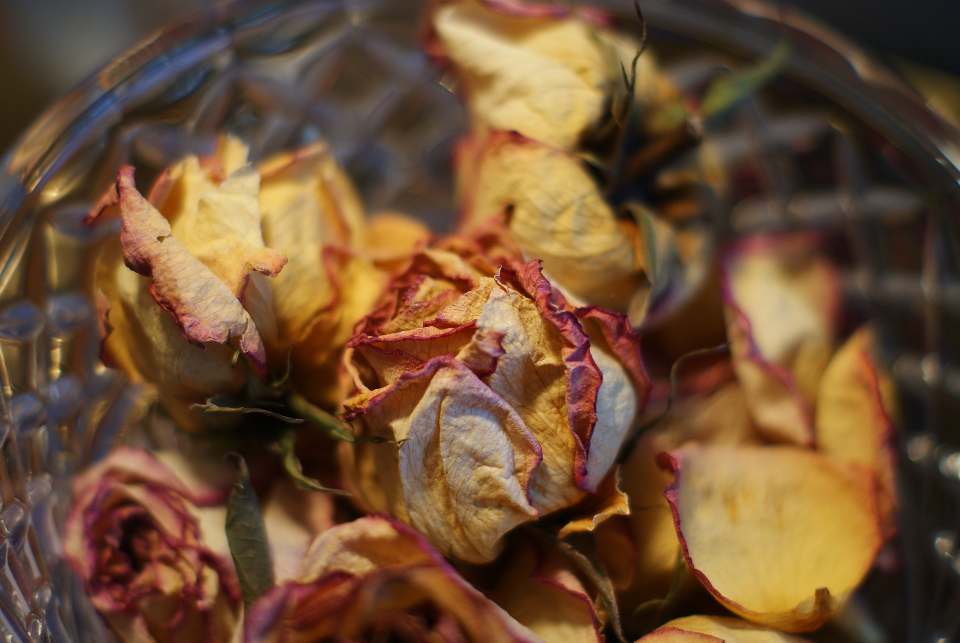
Rose Benefits for Skin
1. Provides Botanical Antioxidant Care
Roses contain naturally occurring plant compounds, including various phenolic compounds and other antioxidants.
Antioxidant-rich botanical ingredients are commonly included in skincare formulations designed to support the appearance of healthy-looking skin.
Rose can therefore be a useful botanical addition to a skincare routine, particularly when incorporated into a thoughtfully formulated product.
However, antioxidant activity does not mean that rose can cure a skin condition or reverse skin damage on its own.
2. Supports a Fresh, Healthy-Looking Appearance
Rose is widely used in beauty products because of its botanical qualities and refreshing floral character.
Rose water, hydrosols, extracts, and other rose-based preparations can be incorporated into skincare routines designed to leave the skin feeling refreshed and cared for.
The result depends on the complete formulation and the individual’s skin.
3. Adds a Naturally Floral Skincare Experience
One of the most recognizable characteristics of rose is its aroma.
Rose has long been used in perfumes, bathing rituals, body care, and beauty preparations.
A rose-based soap, body product, or facial-care product can add a gentle floral dimension to an everyday routine.
For many people, this sensory experience is an important part of natural skincare.
4. Complements Nourishing Skincare Formulations
Rose can be combined with carrier oils, plant butters, botanical extracts, and other skin-conscious ingredients.
For example, a rose body oil may contain a nourishing carrier oil alongside a rose botanical ingredient.
In such a product, the skin feel does not come from rose alone. It comes from the entire formulation.
This is an important principle when choosing natural skincare:
The ingredient list matters more than the marketing name on the front of the package.
5. Can Be Part of a Simple Everyday Skincare Ritual
Rose does not need to be positioned as a miracle ingredient to have a place in skincare.
It can simply be part of an enjoyable, nature-inspired routine.
Depending on the formulation, rose can appear in:
- Cleansers
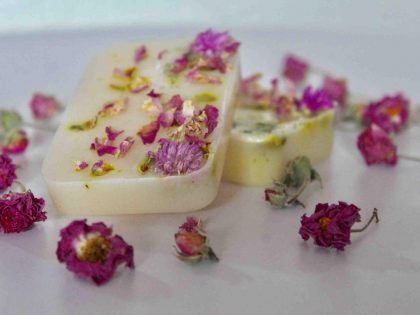
- Handmade soaps
- Face mists
- Facial oils
- Face packs
- Creams
- Body oils
- Body lotions
- Bath products
The right product depends on your skin type, preferences, and the rest of the formulation.
-
Rose Infused Oil | Organic Face Oil₹299.00
-
Handmade Shea Butter Rose Organic SoapOriginal price was: ₹319.00.₹280.00Current price is: ₹280.00.
-
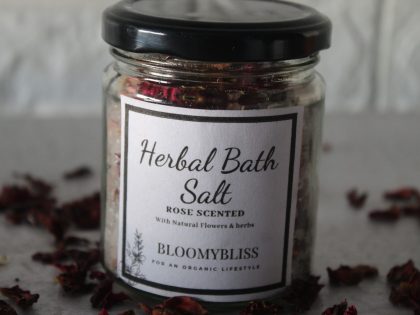
Rose Scented bathsalt | Organic bath salt | Healing salt₹450.00

Rose for Different Skin Types
Rose for Dry Skin
Rose itself should not be considered a moisturizer.
However, rose can be incorporated into formulations containing moisturizing and emollient ingredients such as plant oils, butters, and other skin-conditioning ingredients.
If your skin feels dry, look for the complete formulation rather than choosing a product simply because it contains rose.
Rose for Oily Skin
Rose is not a guaranteed oil-control ingredient.
However, rose water, hydrosols, or rose-containing cleansers can be incorporated into lightweight skincare routines.
For oily-feeling skin, consider the overall formulation, cleansing system, and whether the product suits your skin rather than focusing on rose alone.
Rose for Sensitive Skin
Rose-containing skincare can be suitable for some people with sensitive-feeling skin, but not every rose product will be suitable for everyone.
Fragrance, essential oils, preservatives, and other ingredients in the formulation may contribute to sensitivity.
If your skin is sensitive:
- Check the complete ingredient list.
- Prefer products formulated for sensitive skin when appropriate.
- Patch test new products.
- Avoid applying concentrated essential oils directly to the skin.
- Stop using a product if irritation occurs.
Natural does not automatically mean suitable for every skin type.
Rose Water Benefits for Skin
Rose water is one of the most familiar rose-based skincare ingredients.
Depending on how it is produced, rose water or rose hydrosol contains water-soluble components obtained during the processing of rose plant material.
It is commonly used in:
- Face mists
- Toners
- Face packs
- Cleansing routines
- Body-care products
Its main appeal is its refreshing and floral skincare experience.
However, rose water should not automatically be described as a treatment for acne, pigmentation, scars, wrinkles, or other skin conditions.
The formulation and quality of the product matter.
Rose Oil for Skin
The term “rose oil” can mean different things, so it is important to understand the product.
A rose-related oil may refer to:
- Rose essential oil
- Rose-infused carrier oil
- Rose extract incorporated into oil
- A cosmetic oil blend containing rose ingredients
These are different preparations.
Rose Essential Oil
Rose essential oil is a concentrated aromatic ingredient.
It should not be applied directly to the skin without appropriate dilution and formulation.
Rose-Infused Oil
Rose petals or other plant material may be infused into a carrier oil.
The resulting oil depends on the carrier oil, botanical material, infusion method, and concentration.
Always follow the product instructions.
Rosehip Oil vs Rose Oil
This is an important distinction.
Rose oil generally refers to an aromatic ingredient derived from roses, while rosehip oil is a carrier oil obtained from the fruit or seeds of certain rose species.
Rosehip oil is naturally rich in fatty acids and contains compounds such as carotenoids and vitamin E-related components.
Because of its lipid profile, rosehip oil is commonly used in facial oils and other leave-on skincare formulations.
So if you are searching for “rose oil for skin,” check whether the product actually contains rose essential oil, rose-infused oil, or rosehip oil.
They are not the same ingredient.
Rose Soap Benefits for Skin
Rose is a popular ingredient in handmade soaps because it combines botanical appeal with a naturally floral sensory experience.
A well-formulated rose soap can provide:
Everyday Cleansing
The primary function of soap is to cleanse the skin.
Rose contributes its botanical and aromatic character to the cleansing experience.
Floral Bathing Experience
The natural floral character associated with rose can make an everyday bathing ritual feel more enjoyable.
Botanical Skin Care
Rose can complement other carefully selected ingredients in a handmade soap formulation.
Nature-Inspired Self-Care
Rose soap can be a simple way to bring a floral botanical element into an everyday routine.
However, the quality of a soap cannot be determined by the word “rose” alone.
Consider:
- The cleansing base
- Oils and butters used
- Rose ingredient used
- Fragrance or essential-oil content
- Other botanical ingredients
- Your individual skin response
Is Rose Good for Acne-Prone Skin?
Rose should not be presented as an acne treatment.
Some rose-based formulations may be comfortable as part of a skincare routine, but whether a product suits acne-prone skin depends on its complete formulation and the individual’s skin.
If you regularly experience acne, persistent breakouts, painful lesions, or scarring, consider evidence-based skincare and professional advice rather than relying on a single botanical ingredient.
Can Rose Help With Dark Spots or Pigmentation?
Rose is sometimes marketed online as a solution for dark spots and pigmentation.
However, it is better not to treat rose as a guaranteed pigmentation treatment.
For uneven pigmentation, factors such as sun exposure, skin type, existing skin conditions, and the ingredients used in the complete skincare routine are more important.
Daily sun protection is also an important part of managing concerns related to visible pigmentation.
Rose for Mature-Looking Skin
Rose is frequently included in products marketed toward mature skin because of its antioxidant-rich botanical profile and luxurious sensory appeal.
However, rose alone should not be described as a proven anti-aging treatment.
A well-rounded routine for mature-looking skin may focus on:
- Hydration
- Moisturization
- Sun protection
- Gentle cleansing
- Evidence-based skincare ingredients
- Consistent daily care
Rose can be one botanical element within that routine.
How to Use Rose in Your Skincare Routine
The right way to use rose depends on the product.
Rose Water or Hydrosol
Use according to the product instructions as part of a facial-care or refreshing routine.
Rose Face Pack
Apply according to the formulation instructions and avoid adding concentrated essential oils unless properly formulated.
Rose Facial Oil
Use a formulated facial oil as directed. Do not assume that rose essential oil can be used like a carrier oil.

Rose Soap
Use as an everyday cleansing bar according to the product instructions.
Rose Body Oil
Apply to clean skin according to the product’s directions, especially after bathing if the formulation is designed for body moisturization.
Can Rose Be Applied Directly to the Skin?
It depends entirely on the form.
A properly formulated rose water or cosmetic product is different from concentrated rose essential oil.
Never assume that a concentrated essential oil can be applied directly to the face simply because the ingredient is natural.
If using an essential oil, appropriate dilution and formulation are important.
For commercially formulated skincare, follow the manufacturer’s instructions.
How to Choose Good Rose Skincare
When buying rose-based skincare, don’t choose a product only because the packaging says “rose.”
Instead, look at:
1. The Actual Rose Ingredient
Is it rose water, extract, infused oil, essential oil, or rosehip oil?
2. The Complete Ingredient List
Rose is only one component of a finished skincare product.
3. Your Skin Type
A rich facial oil and a lightweight rose water serve very different purposes.
4. Fragrance Sensitivity
If you are sensitive to fragrance, pay particular attention to essential oils and fragrance ingredients.
5. Product Transparency
Choose brands that clearly communicate what they use and how the product is formulated.
Rose and Natural Skincare at BloomyBliss
At BloomyBliss, we believe natural skincare should be built around thoughtful ingredients, honest communication, and respect for nature.
We don’t believe a plant needs exaggerated claims to make it valuable.
A rose is already beautiful.
Our approach is to understand the ingredient, respect its natural characteristics, and formulate products thoughtfully rather than promising that one flower can solve every skin concern.
This is also why we distinguish between rose flowers, rose water, rose oils, extracts, and rosehip oil.
Nature-first skincare begins with understanding what we are actually using.
Benefits of Rose for Hair
Promote hair growth
Rose oil used with other carrier oil works effectively towards promoting hair growth. It also keeps the scalp free from irritations and dandruff and makes the hair follicles strong which reduces hair fall. A healthy scalp means healthy and shiny hair.
Softens hair
Rosewater spray can be used for hair to overcome frizz and hydrate hair strands. It adds shine to the hair making them smooth, strong, and lustrous.
Reduces Dandruff
Rosewater is great to treat itchy or flaky areas on your scalp. Dip a cotton ball in rose water and dab it on your scalp. It helps potentially improve scalp irritation which helps in hair strengthening and improving the quality of hair.
Besides being a symbol of love, roses care for your skin and hair as well and provide numerous benefits. Rich in antioxidants and vitamins and has anti-bacterial properties one should include rose products in their skincare and haircare routines.
Frequently Asked Questions About Rose for Skin
What are the benefits of rose for skin?
Rose is valued as a botanical skincare ingredient with naturally occurring plant compounds and a distinctive floral aroma. It can be incorporated into soaps, face mists, oils, face packs, and other personal-care products.
Is rose good for dry skin?
Rose itself is not a moisturizer, but it can be included in moisturizing formulations containing plant oils, butters, or other skin-conditioning ingredients.
Is rose good for oily skin?
Rose is not a guaranteed oil-control ingredient. Rose water, hydrosols, and rose-containing cleansers can be part of a lightweight skincare routine depending on the formulation.
What are the benefits of rose soap?
Rose soap can provide everyday cleansing while adding a floral botanical and aromatic experience. Its actual skin feel depends on the complete soap formulation.
Is rose water good for the skin?
Rose water is commonly used in facial mists, toners, face packs, and other personal-care products. Its suitability depends on its formulation and your individual skin.
Is rose oil good for skin?
It depends on what “rose oil” means. Rose essential oil, rose-infused oil, and rosehip oil are different ingredients with different properties and uses.
Is rosehip oil the same as rose oil?
No. Rosehip oil is a carrier oil obtained from the fruit or seeds of certain rose species, while rose oil commonly refers to an aromatic rose-derived ingredient.
Can rose help with acne?
Rose should not be considered an acne treatment. A rose-containing product may be part of a skincare routine, but acne-prone skin generally requires an appropriate overall skincare approach.
Can rose remove dark spots?
Rose should not be presented as a guaranteed treatment for pigmentation or dark spots. For persistent pigmentation concerns, consider evidence-based skincare and professional guidance.
Can I apply rose essential oil directly to my face?
Concentrated essential oils should not be applied directly to the face. Appropriate dilution and formulation are important.
Is rose suitable for sensitive skin?
It depends on the individual and the complete formulation. Fragrance and essential oils can cause sensitivity in some people, so check the ingredients and patch test new products when appropriate.
Rose is more than a beautiful flower.
It has a long history in personal care and remains a popular botanical ingredient in modern skincare.
From rose water and rose extracts to handmade rose soaps and rosehip oils, different rose-derived ingredients can serve different purposes.
The key is to understand which rose ingredient you are using and what the complete formulation contains.
Instead of looking for a miracle ingredient, build a skincare routine around consistency, suitable formulations, sun protection, hydration, and ingredients that work well for your individual skin.
At BloomyBliss, we believe that is what nature-first skincare should mean:
Respect the ingredient. Understand the formulation. Keep the promise honest.
Hello there! I could have sworn I’ve been to this blog before but after browsing through a few of the articles I realized it’s new to me. Anyways, I’m certainly delighted I discovered it and I’ll be book-marking it and checking back regularly.
I think this is a real great blog.Much thanks again. Cool.
A round of applause for your article. Much obliged.
Greetings! Very useful advice within this post! It’s the little changes that produce the most important changes. Thanks for sharing!