
Rosehip, derived from the fruit of the Rosa canina L. plant (and other Rosa species), is increasingly recognized as one of nature’s most potent ingredients for dermatological health. Unlike rose petals, which are used primarily for fragrance, rosehip—specifically the small, round seed pods just below the petals—is a storehouse of bioactive compounds.or centuries, it has been employed in traditional medicine, but modern science is now validating its remarkable efficacy in treating a wide range of skin disorders
The magic of rosehip lies in its unique chemical composition. It is rich in essential fatty acids (linoleic and linolenic acid), which are crucial for maintaining the skin barrier, and a powerful blend of vitamins. It is one of the few plant sources that contain high levels of vitamin A (often in the form of natural retinoic acid precursors), vitamin C (in concentrations that rival citrus fruits), and vitamin E.
This synergistic combination makes rosehip oil and extracts a versatile solution for everything from anti-aging to wound healing.
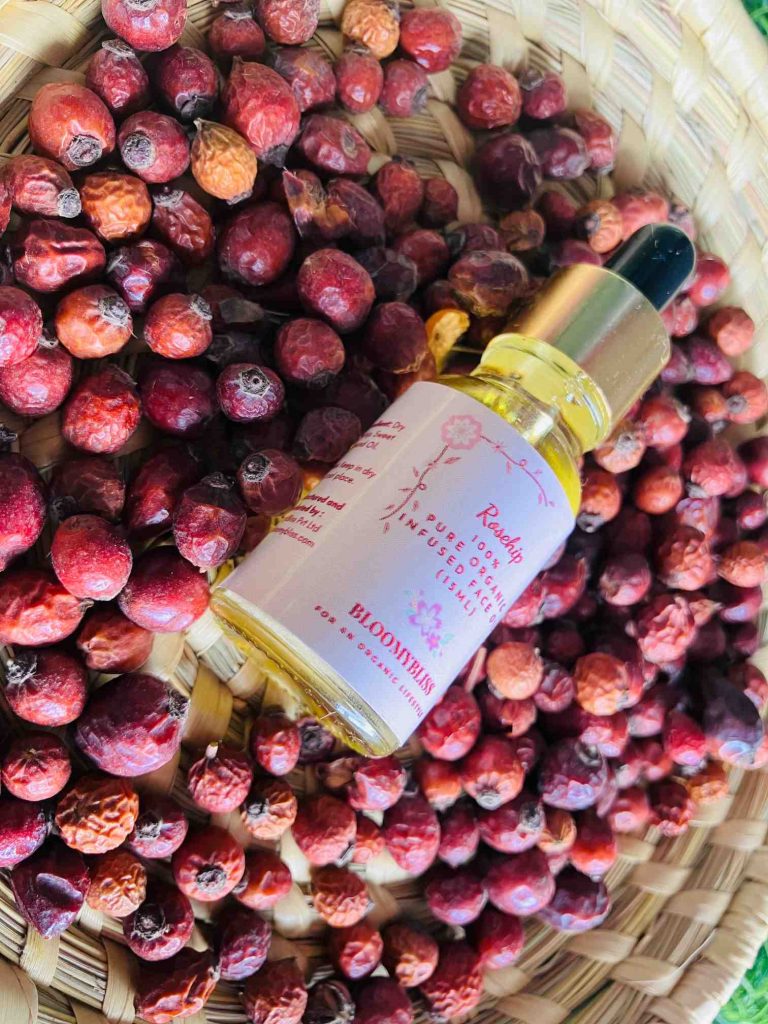
Key Skin Benefits of Rosehip
Recent clinical studies and comprehensive reviews have highlighted the efficacy of rosehip in modern dermatology. Here are the primary benefits, supported by scientific evidence.
1. Accelerates Wound Healing and Reduces Scarring
One of the most extensively studied benefits of rosehip oil (RO) is its impact on wound healing and scar reduction. A 2024 review published in the Journal of Cosmetic Dermatology analyzed clinical trials focusing on postsurgical scars. The research found that topical treatments containing rosehip extract could significantly reduce the size and redness (erythema) of scars .
The Mechanism: Rosehip promotes the transition from inflammatory macrophages (M1) to regenerative macrophages (M2), helping to resolve inflammation and regenerate the extracellular matrix .
Clinical Evidence: In one study on second-degree burns, patients using a rosehip-containing ointment healed significantly faster (average 7.5 days) compared to those using standard silver sulfadiazine treatment (average 11.8 days) . Another study showed that at 12 weeks, 63% of patients using rosehip oil saw a reduction in scar discoloration (dyschromia), compared to only 21% in the control group.
2. Potent Anti-Aging Effects: Wrinkle and Fine Line Reduction
Rosehip oil is a heavy hitter in the fight against chronological and environmental aging. A pioneering 2025 pilot study utilizing VISIA complexion analysis technology demonstrated that daily application of cold-pressed Rosa canina seed oil over five weeks led to a significant reduction in mean wrinkle scores, particularly in participants with deeper baseline wrinkles .
Collagen Synthesis: The high concentration of vitamin C is essential for collagen synthesis, helping to maintain skin firmness and elasticity. Additionally, rosehip oil has been shown to inhibit MMP-1, an enzyme that breaks down collagen.
Carotenoid Power: The oil is rich in carotenoids like beta-carotene, lutein, and lycopene. These compounds not only provide antioxidant protection but also support skin structure and elasticity, reducing the depth and appearance of wrinkles.
3. Manages Hyperpigmentation and UV Damage
Uneven skin tone, melasma, and dark spots are often difficult to treat, but rosehip offers a multi-faceted approach. The primary mechanism is the inhibition of tyrosinase, the key enzyme responsible for melanin production. By reducing tyrosinase activity, rosehip helps fade existing dark spots and prevents the formation of new ones.
UV Protection: While not a replacement for sunscreen, rosehip oil contains vitamin A and carotenoids that provide photoprotective effects, helping to mitigate the oxidative stress caused by UV exposure.The VISIA study mentioned above confirmed a visible decline in UV-induced spots after consistent use.
4. Antimicrobial Activity and Acne Management
Acne is not just about bacteria; it involves inflammation, excess oil, and scarring. Rosehip is effective on multiple fronts. Research highlights that rosehip extracts exhibit antimicrobial activities against common acne-causing bacteria, including Propionibacterium acnes and Staphylococcus aureus.
Reducing Imperfections: By combating bacteria and reducing inflammation, rosehip helps minimize active breakouts.
Preventing Post-Acne Marks: Perhaps most importantly, by promoting wound healing and reducing hyperpigmentation, it helps minimize the long-term consequences of acne, such as dark spots and textural scars.
5. Skin Barrier Repair and Hydration
A healthy skin barrier is essential for retaining moisture and keeping irritants out. Rosehip oil is rich in linoleic acid, an omega-6 fatty acid that is a vital component of the skin’s natural ceramides. Applying it topically helps replenish these lipids, strengthening the barrier function .This occlusive effect prevents transepidermal water loss, keeping the skin hydrated, plump, and resilient.This makes it suitable even for dry or rosacea-prone skin types.
How to Use Rosehip Oil in Your Skincare Routine
Integrating rosehip oil into your regimen is simple, but proper application ensures maximum absorption and efficacy.
Choose Your Product: Rosehip is available as a pure oil or as an ingredient in serums, lotions, and toners.For targeted treatment, pure, cold-pressed oil is highly effective.
Application Order: As a general rule, oils should be applied after water-based serums but before heavier creams. The “oil seals in water” concept helps lock in hydration..
How to Apply:
Dispense 2-3 drops of oil into your palm.
Warm it between your fingers.
Gently press and pat the oil onto your face and neck, avoiding the immediate eye area. Do not rub vigorously
- When to Use: It can be used both morning and night. However, due to its content of natural exfoliants (like vitamin A), it can increase sun sensitivity. Always follow up with a high-quality mineral sunscreen (SPF 30 or higher) in the morning.
Safety, Side Effects, and What to Look For
Rosehip is generally considered safe and well-tolerated, with clinical studies reporting no adverse effects even in elderly populations. However, as with any active ingredient, a few precautions are necessary.
- Patch Test: Before applying it to your face, do a patch test on your inner arm. If you develop redness, burning, or irritation, discontinue use.
- Purity Matters: To avoid irritation from additives, look for products labeled “100% pure rosehip oil,” “organic,” or “cold-pressed.” Cold-pressing ensures that the heat-sensitive vitamins (A, C, and essential fatty acids) remain intact and potent.
Storage: Rosehip oil is rich in polyunsaturated fats, which can oxidize and go rancid when exposed to light and heat. Store your bottle in a cool, dark place, preferably in a dark glass container.
- Further Research: While the evidence is promising, researchers note that more extensive studies are still needed to fully establish optimal dosing and long-term effects.
Rosehip stands out in the skincare world not as a fleeting trend, but as a clinically validated ingredient with multi-tasking capabilities. Whether you are battling acne scars, concerned about fine lines and wrinkles, or simply looking to improve your skin’s overall tone and hydration, rosehip oil offers a natural, effective solution backed by rigorous scientific inquiry.