
Essential oils have gained immense popularity in natural skincare and wellness routines for their therapeutic benefits—from calming anxiety to clearing up acne. But while these potent plant extracts are natural, that doesn’t always mean they’re safe to apply directly to your skin.
In this article, we’ll explore the safety concerns, guidelines, and best practices around using essential oils topically.
Understanding Essential Oils
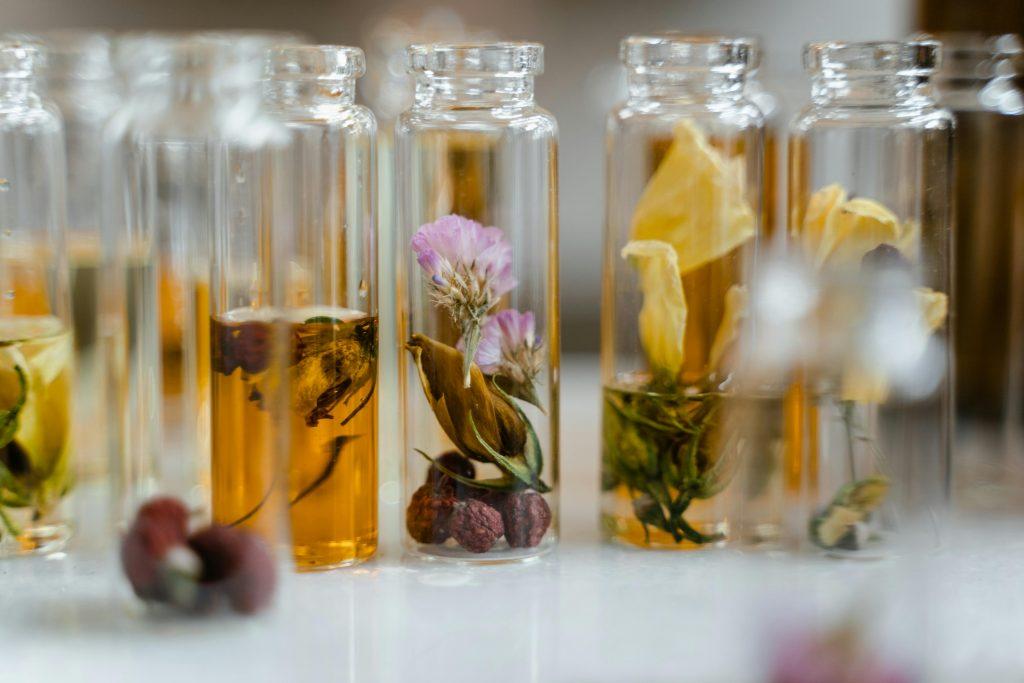
Essential oils are concentrated compounds extracted from plants through distillation or cold pressing. They contain active ingredients that give plants their characteristic fragrance and healing properties.
Because of their high concentration, even a few drops of essential oil can deliver strong effects. This potency is what makes them effective—but also potentially irritating.
Can You Apply Essential Oils Directly to the Skin?
In most cases, no.
Applying essential oils directly (also known as “neat” application) can cause:
Skin irritation
Redness or rash
Allergic reactions
Photosensitivity (especially citrus oils)
Some essential oils are more irritating than others when used undiluted—like cinnamon, clove, oregano, thyme, lemongrass, and peppermint. Sensitive skin types, children, and people with conditions like eczema should be especially cautious.
When Direct Application Might Be Safe
A few essential oils—such as lavender or tea tree oil—are sometimes considered safe for spot application in very small amounts. However, even these can cause reactions in some individuals, so it’s best to do a patch test first and always follow professional guidance.
Safe Practices for Applying Essential Oils to Skin
1. Always Dilute with a Carrier Oil
Mix essential oils with a carrier oil like:
Jojoba oil
Coconut oil
Almond oil
Olive oil
Grapeseed oil
General dilution guideline:
1% dilution (6 drops per 30 ml of carrier oil) for sensitive skin or face
2–3% dilution (12–18 drops per 30 ml) for body massage or occasional use
2. Do a Patch Test First
Before using any diluted essential oil blend, apply a small amount to your inner forearm and wait 24 hours. Check for redness, itching, or irritation.
3. Avoid Sensitive Areas
Never apply essential oils directly to:
Eyes
Inner ears
Broken or irritated skin
Mucous membranes
4. Be Mindful of Sun Exposure
Some oils (especially citrus oils like lemon, lime, and bergamot) can cause photosensitivity, leading to burns or pigmentation when exposed to sunlight. Avoid sun exposure for at least 12 hours after using these oils on your skin.
5. Use High-Quality, Pure Oils
Always choose therapeutic-grade, 100% pure, and organic essential oils from trusted brands. Avoid synthetic or diluted versions, which may contain harmful additives.
At BloomyBliss, we believe in gentle, effective, and natural skincare. That’s why we offer organic flower- and herb-infused oils that are safe to apply directly to the skin.
Why Choose BloomyBliss Slow-Infused Organic Oils?
Infused with Organic Herbs & Flowers: Grown naturally at our own BloomyBliss Organic Farm—free from chemicals or synthetic fertilizers.
Slow-Infusion Process Over 6 Months: Our oils are carefully crafted using traditional cold infusion methods—no heat, no rushing. Just nature working its magic over time.
No Essential Oil Harshness: These oils don’t carry the risks of highly concentrated essential oils but still offer gentle aroma, nourishment, and healing benefits.
Ready to Use: No need for dilution—simply apply directly after cleansing or before moisturizing.
Try Our Best-Sellers
Explore our slow-infused oils handcrafted with love and flowers like calendula, hibiscus, rose, chamomile, and Jamine. Ideal for skin healing, hydration, and natural glow.
In conclusion, while essential oils offer potent benefits, they must be used carefully and always diluted. For a safer, more natural option, choose slow-infused oils from organically grown flowers and herbs—like those at BloomyBliss. Your skin will thank you for the gentle nourishment.