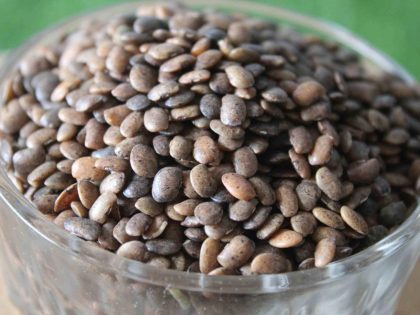
The ancient Indian way of eating food is a holistic practice that reflects deep respect for nature, mindfulness, and balance. Rooted in the wisdom of Ayurveda and other traditional practices, ancient India’s way of consuming food was not just about satisfying hunger but about nourishing the mind, body, and soul. This time-honored approach to food remains relevant today, especially as the world seeks more balanced and sustainable ways of living. Let’s take a journey into this ancient tradition to understand how it shaped holistic well-being.
The Sacredness of Food
Ancient Indian culture considered food sacred, symbolizing the goddess Annapurna, the Hindu deity of nourishment. People treated food with respect, and seeing the wasting of food as a grave disrespect was common. People often shared meals with others, and feeding the less fortunate was a virtuous act. The sacred nature of food instilled a sense of gratitude and community, encouraging people to recognize the divine role that nature played in providing sustenance.
Mindful Eating and Gratitude
Mindfulness was at the heart of ancient Indian eating practices. Meals were often preceded by prayers or rituals, offering thanks for the food and acknowledging its sacredness. The act of eating was slow and deliberate, focusing on savoring each bite. This practice of gratitude helped individuals appreciate the effort behind the food—from the farmers who grew it to the cook who prepared it. Mindful eating is not just about health; it’s about fostering a deeper spiritual connection with the food and the environment.
Eating with Hands: A Sensory Experience
One of the most distinctive aspects of the ancient Indian way of eating is the use of hands. In India, people traditionally eat food with the right hand, as they believe that the act of touching food engages all five senses, creating a deeper connection with what you eat. The fingertips are thought to stimulate digestive enzymes, making the process more intuitive. Eating with hands also encourages mindfulness, making you more aware of the textures, aromas, and flavors of each bite. This tactile connection adds a spiritual element to the act of eating, making it a sacred experience.
Ayurvedic Principles of Balanced Eating
Ayurveda, India’s ancient system of medicine, forms the foundation of traditional eating habits. According to Ayurveda, every individual has a unique constitution, or dosha—Vata, Pitta, or Kapha. People view food as medicine, and eating according to one’s dosha helps maintain health and balance in life.

Meal design includes the six tastes (sweet, sour, salty, bitter, pungent, and astringent), ensuring the body gets all the nutrients it needs. Moreover, Ayurvedic meals are seasonal, local, and aligned with the body’s rhythms, providing harmony with nature’s cycles.
Sitting on the Floor: Enhancing Digestion and Posture
In ancient India, people typically sat on the floor to eat, usually in the cross-legged Sukhasana (easy pose). This posture, still practiced today, is believed to enhance digestion and promote better circulation. Sitting on the floor while eating not only encourages proper digestion by stimulating the vagus nerve but also fosters a sense of grounding and humility. The act of lowering oneself to the earth and rising again represents a spiritual connection to food, emphasizing that it is a gift from nature.
Local and Seasonal Foods: Harmony with Nature
Ancient Indian diets were primarily based on seasonal and local foods, a practice that promoted not just health, but also sustainability. People saw consuming foods that grow in the same environment and climate as one’s own body as the best way to maintain balance. For example, they ate cooling foods like cucumbers and melons in the summer, while they favored warming foods like root vegetables and spices in the winter. This practice ensured that individuals stayed in sync with nature’s cycles, enhancing both physical and spiritual well-being.
Thali: A Complete, Balanced Meal
The traditional Indian thali, a large platter with small servings of various dishes, embodies balance and variety. A typical thali consists of rice, roti (Indian bread), lentils (dal), vegetables, chutneys, and sometimes a small sweet. The inclusion of different flavors and textures ensures a nutritionally balanced meal. This variety also aligns with the Ayurvedic principle of incorporating all six tastes in each meal, making it both satisfying and nourishing.
Dining on Nature’s Platter: The Timeless Tradition of Eating on Leaves
In Indian culture, eating on leaves, particularly banana leaves, has been a longstanding tradition that reflects a deep connection to nature and sustainable living. Banana leaves are widely used for serving food, especially during festivals, weddings, and traditional meals across southern India. This practice is not only eco-friendly but also believed to enhance the flavors of the food. The leaves are rich in polyphenols, antioxidants that seep into the food, adding health benefits. Eating on leaves symbolizes simplicity and respect for nature; it is deeply rooted in India’s spiritual and cultural heritage and promotes mindfulness and gratitude toward the act of eating.

In the Himalayan north region of India, people have traditionally used the leaves of plants like timil (Ficus auriculata) or bedu (wild fig) for eating meals. This practice reflects the region’s deep-rooted connection to nature and its sustainable, eco-friendly approach to daily living. These large leaves serve as natural plates, especially during community gatherings, festivals, and special occasions. The use of these leaves not only honors the natural resources of the region but also enhances the overall dining experience by adding a subtle flavor to the food, symbolizing a harmonious relationship with the environment. This tradition embodies simplicity, respect for local flora, and a mindful approach to living in harmony with nature.
Spices: The Healing Essence of Indian Cuisine
Spices hold a special place in Indian cuisine, not just for their flavor but for their medicinal properties. Turmeric, ginger, cumin, coriander, and cardamom offer a wealth of antioxidants and anti-inflammatory properties. In Ayurveda, practitioners use spices to balance doshas, boost immunity, and aid digestion. Their therapeutic properties make them an essential component of both cooking and healing in ancient Indian culture.
Herbs and Medicinal Plants: Nature’s Pharmacy
Indian food has always integrated the use of herbs and medicinal plants for their healing properties. From neem and tulsi (holy basil) to ashwagandha and amla (Indian gooseberry), these plants were used not only in cooking but also in daily rituals to promote health and wellness. The ancient Indian way of eating often combined culinary art with herbal wisdom, ensuring that every meal had therapeutic benefits.
Fasting and Detoxification
Fasting has been an integral part of Indian culture for centuries, often associated with religious or spiritual observances. However, fasting is also rooted in Ayurveda as a way to detoxify the body and reset the digestive system. There are different types of fasts based on individual needs and health goals. In ancient India, fasting was not only a spiritual practice but a practical way to improve physical well-being by giving the digestive system a break.
A Timeless Approach to Wellness
The ancient Indian way of eating is more than just a method of consumption—it’s a philosophy of living in harmony with nature. It emphasizes balance, mindfulness, and respect for food as a source of life. While modern life may have moved away from some of these practices, the principles of Ayurveda, mindful eating, and a deep connection to nature continue to offer timeless wisdom for those seeking holistic health and spiritual fulfillment. By embracing the ancient Indian way of eating, we can nourish not only our bodies but our souls, cultivating a life of balance and inner peace.