When building a skincare routine, one common question is whether to use facial oil or moisturiser. Both products are popular in skincare, and both can help improve the feel and appearance of the skin. However, they work differently and are formulated with different purposes in mind.
Some people prefer the lightweight feel of facial oils, while others enjoy the comfortable, hydrated feeling of a moisturiser. Many skincare routines include both.
Understanding the difference between facial oil and moisturiser can help you choose products that suit your skin type, preferences and daily routine.
In this guide, we explore how facial oils and moisturisers differ, their common ingredients, how to use them and whether you need both.
What Is Facial Oil?
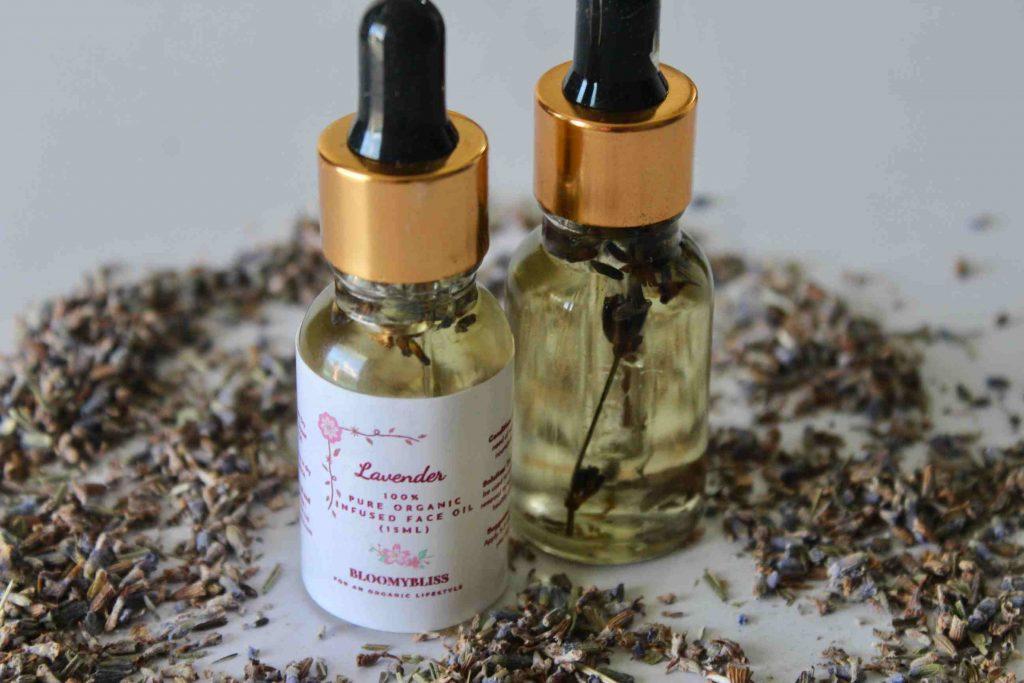
Facial oil is a skincare product formulated primarily with oils and oil-soluble ingredients. It is designed to condition the skin, improve its softness and help reduce moisture loss.
Facial oils commonly contain plant-derived carrier oils, such as jojoba oil, sweet almond oil, sunflower seed oil and other cosmetic oils.
Depending on the formulation, a facial oil may also contain botanical-infused oils and other oil-soluble ingredients.
Common characteristics of facial oil
Primarily oil-based formulation.
Helps soften and condition the skin.
Can support the skin’s natural moisture barrier.
Often leaves a smooth or nourishing finish.
Available in lightweight and richer formulations.
Facial oils are especially popular among people who enjoy oil-based skincare and want to add a conditioning step to their routine.
What Is a Moisturiser?
A moisturiser is a skincare product formulated to help maintain skin hydration, softness and comfort.
Unlike facial oils, many traditional moisturisers contain a combination of water and oil-based ingredients. These products may include humectants, emollients and occlusive ingredients.
The formulation can vary significantly depending on whether the product is a gel, lotion, cream or balm.
Common characteristics of moisturisers
Available in water-based, oil-based and emulsified formulations.
Often combines multiple types of moisturising ingredients.
Helps maintain skin hydration and softness.
Available in lightweight gels and richer creams.
Formulated for different skin types and skincare preferences.
A moisturiser can serve as an important everyday skincare step, particularly when your skin needs additional hydration and conditioning.
Facial Oil vs Moisturiser: Key Differences
Although both products support skin conditioning, their formulations and functions are different.
| Feature | Facial Oil | Moisturiser |
|---|---|---|
| Formulation | Primarily oil-based | Can be water-based, oil-based or emulsified |
| Common ingredients | Carrier oils, botanical-infused oils, oil-soluble ingredients | Humectants, emollients, occlusives and sometimes water |
| Main role | Conditions skin and helps reduce moisture loss | Helps maintain hydration and skin softness |
| Texture | Fluid, oily or lightweight | Gel, lotion, cream or balm |
| Finish | May leave a smooth or dewy finish | Depends on formulation |
| Water content | Generally little or no water | Varies by product |
| Usage | Often used after water-based skincare | Commonly used as a moisturising step |
The most important distinction is that facial oils primarily provide oil-based conditioning, while moisturisers can deliver hydration and conditioning through different combinations of ingredients.
Understanding How Facial Oils and Moisturisers Work
To understand why these products are different, it helps to know three important categories of skincare ingredients.
1. Humectants
Humectants attract and help retain water.
Examples include:
Glycerin
Hyaluronic acid
Sodium PCA
Panthenol
They are commonly found in water-based serums, gels and moisturisers.
2. Emollients
Emollients help soften and smooth the skin.
Examples include:
Jojoba oil
Sweet almond oil
Sunflower seed oil
Shea butter
Squalane
These ingredients are commonly used in facial oils, creams and lotions.
3. Occlusive Ingredients
Occlusive ingredients form a layer on the skin’s surface that helps reduce water loss.
Examples include:
Petrolatum
Beeswax
Certain plant-derived waxes
Some oils and butters
A product may contain one or several of these ingredient categories.
This is why two moisturisers can feel completely different, and why not every facial oil provides the same experience.
Can Facial Oil Replace Moisturiser?
This is one of the most common questions in skincare.
The answer depends on your skin and the formulation you use.
Facial oil can help condition the skin and reduce moisture loss. However, a facial oil does not automatically provide the same hydration as a moisturiser containing humectants.
For example, a water-based moisturiser containing glycerin can help attract water, while a facial oil can help soften the skin and reduce water loss.
If your skincare routine already includes a suitable hydrating serum or moisturising product, you may find that facial oil provides the additional conditioning you prefer.
However, if your skin feels dehydrated or uncomfortable, relying only on facial oil may not meet all your skincare needs.
The key is to understand what your skin needs rather than assuming one product can replace another.
Can You Use Facial Oil and Moisturiser Together?
Yes. Facial oil and moisturiser can complement each other when used appropriately.
A simple routine could look like this:
Cleanse your face with a suitable cleanser.
Apply a water-based hydrating serum, if you use one.
Apply your moisturiser.
Finish with a few drops of facial oil if your skin benefits from additional conditioning.
This is a common layering approach, but the ideal order can depend on the specific product formulations.
For lightweight products, apply them before richer products. Follow the manufacturer’s instructions if a product recommends a different application method.
During the daytime, finish your skincare routine with a broad-spectrum sunscreen of SPF 30 or higher.
Facial Oil vs Moisturiser: Which Is Better for Your Skin Type?
There is no single answer for everyone. Your skin type, climate, personal preferences and product formulation all influence the choice.
For Dry Skin
Dry skin may benefit from both a moisturiser and a facial oil.
Look for moisturisers containing suitable humectants and emollients. A facial oil can provide additional conditioning and help reduce moisture loss.
For Oily Skin
Oily skin still needs appropriate moisturising care.
Consider lightweight, non-comedogenic moisturisers and facial oils formulated for your preferences. Patch-test new products and observe how your skin responds.
For Combination Skin
Combination skin may need different levels of conditioning in different areas.
A lightweight moisturiser can provide everyday hydration, while a small amount of facial oil can be applied to areas that feel dry.
For Sensitive Skin
Choose products with simple, well-tolerated formulations and avoid ingredients you already know trigger reactions.
Fragrance-free products may be worth considering if fragrance is a sensitivity concern.
For Mature Skin
Skin can become drier with age. A moisturiser containing humectants and emollients, combined with a suitable facial oil when needed, may help improve skin comfort and softness.
How to Choose a Good Facial Oil
Before purchasing a facial oil, consider the following:
Check the carrier oils: Look at the types of oils included and whether they suit your skin preferences.
Understand the formulation: Determine whether the product contains pure carrier oils, botanical-infused oils or a blend of different oil-based ingredients.
Consider the texture: Some oils feel lightweight, while others create a richer finish.
Review fragrance ingredients: Essential oils and added fragrances may not suit everyone, particularly those with sensitivities.
Look at product directions: Follow the recommended quantity and application instructions.
How to Choose a Good Moisturiser
When selecting a moisturiser, consider these factors:
Choose a texture that feels comfortable on your skin.
Look for humectants if you want additional hydration.
Consider emollients for skin softness.
Check the ingredient list for known sensitivities.
Choose a formulation appropriate for your skin type.
Consider the climate and season in which you will use it.
A good moisturiser is not necessarily the most expensive one. It is the formulation that meets your skin’s needs and feels comfortable enough to use consistently.
Exploring Oil-Based Botanical Skincare at BloomyBliss
At BloomyBliss, we appreciate the role of botanical ingredients in thoughtful everyday skincare.
Facial oils and oil-based botanical serums are two different ways to explore oil-based skincare formulations.
A facial oil may focus primarily on conditioning the skin through a blend of carrier oils. An oil-based botanical serum may combine selected botanical ingredients and carrier oils in a more specifically designed formulation.
Understanding these differences helps you choose a product based on its formulation rather than its name alone.
If you enjoy nature-inspired skincare, explore the BloomyBliss facial oil and botanical serum collections to find products that complement your routine.
Common Mistakes to Avoid
1. Assuming facial oil provides all the hydration your skin needs
Facial oils primarily provide oil-based conditioning. They do not necessarily replace water-based hydration.
2. Using too much facial oil
A few drops are often sufficient. Excessive application may leave the skin feeling unnecessarily greasy.
3. Choosing products only because they are labelled natural
Natural ingredients can also cause sensitivities. Always consider the complete formulation.
4. Ignoring your skin’s response
If a product causes irritation, redness or discomfort, discontinue use and seek appropriate advice if symptoms persist.
5. Skipping sunscreen
Neither an ordinary facial oil nor a regular moisturiser automatically provides sun protection. Use a suitable sunscreen during the day.
Frequently Asked Questions
1. Is facial oil the same as moisturiser?
No. Facial oil is primarily an oil-based skincare product, while moisturisers can contain water, oils, humectants, emollients and occlusive ingredients.
2. Should I use facial oil before or after moisturiser?
A common approach is to apply moisturiser first and facial oil afterwards. However, the ideal order depends on the product formulation and instructions.
3. Can I use facial oil every day?
Many facial oils are designed for regular use. Start with a small amount, follow the product directions and observe how your skin responds.
4. Is facial oil suitable for oily skin?
Yes, some people with oily skin enjoy using facial oils. Choose a formulation that suits your preferences and consider non-comedogenic product options.
5. Does facial oil hydrate the skin?
Facial oils primarily condition the skin and help reduce moisture loss. They are different from humectant ingredients that attract water.
6. Do I need both facial oil and moisturiser?
Not necessarily. Some people prefer using only a moisturiser, while others enjoy combining both products. Your routine should reflect your skin’s needs.
7. Can facial oil be used at night?
Yes. Facial oil can be included in an evening skincare routine if the formulation is suitable for your skin.
8. What is the difference between facial oil and an oil-based botanical serum?
Both are oil-based products, but their formulations and intended positioning may differ. A facial oil often focuses on conditioning through carrier oils, while an oil-based botanical serum may combine selected botanical ingredients with carrier oils in a more targeted formulation.
Facial oil and moisturiser are not competing products. They have different roles and can complement each other in a thoughtful skincare routine.
A moisturiser can help maintain skin hydration and softness through a combination of ingredients, while a facial oil provides oil-based conditioning and can help reduce moisture loss.
The best choice depends on your skin, the formulation and the experience you prefer.
At BloomyBliss, we believe that understanding your skincare choices is just as important as choosing the products themselves.
Listen to your skin, understand your ingredients and build a skincare routine that feels right for you.
BloomyBliss – Bringing Nature Closer to Everyday Living.